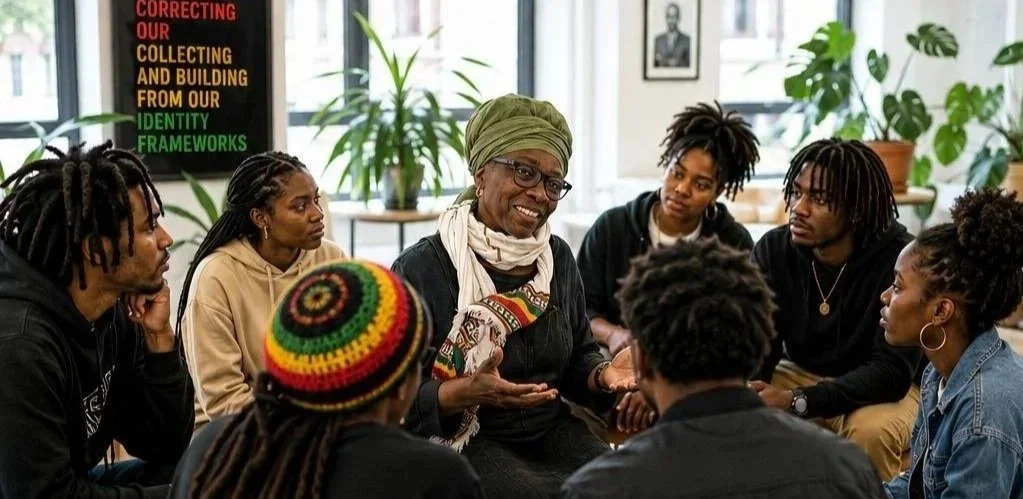
CORRECTING
OUR
COLLECTING.
ARCHIVING
FOR
SELF.
ARCHIVING
FOR
COMMUNITY.
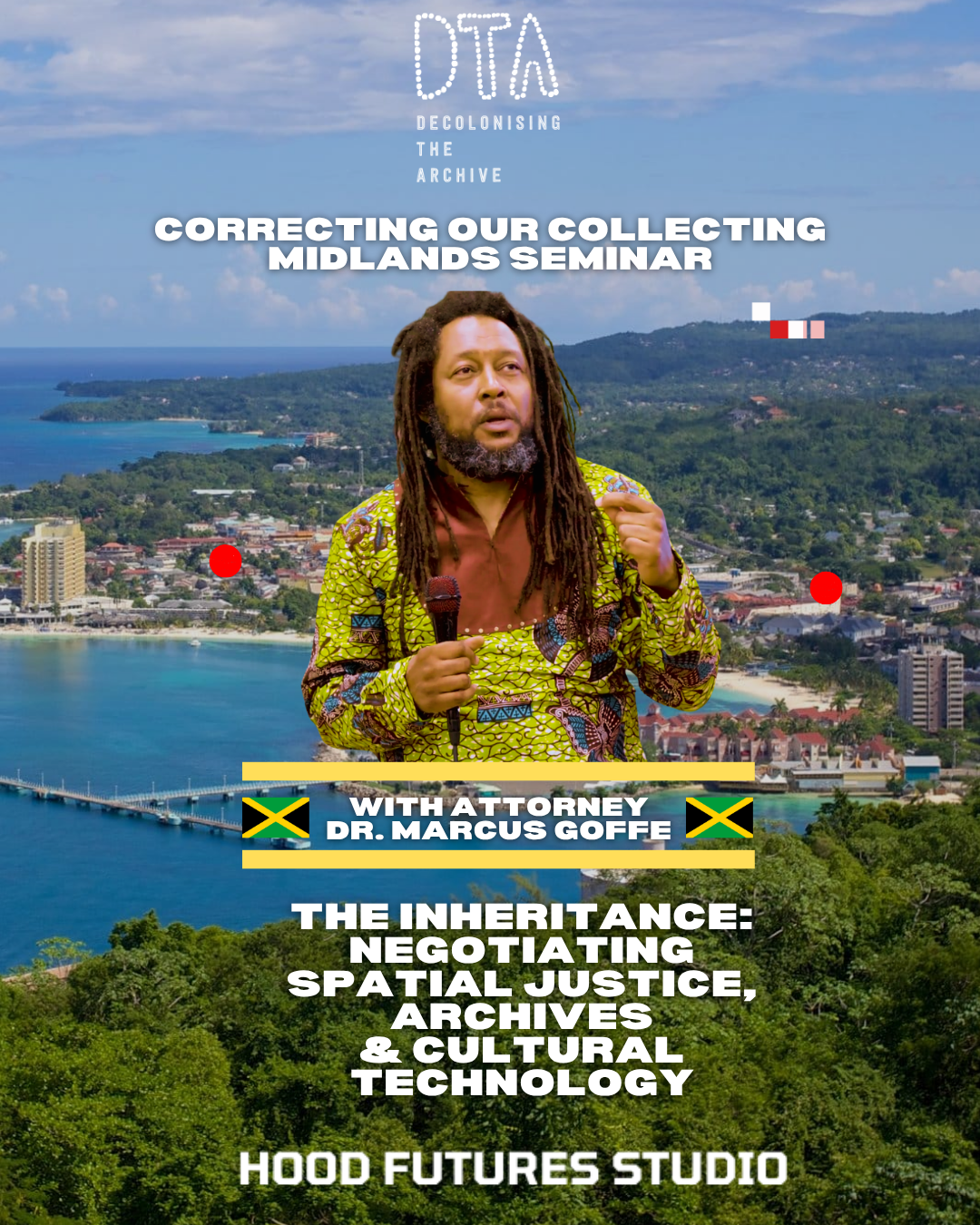
CORRECTING OUR COLLECTING. ARCHIVING FOR SELF. ARCHIVING FOR COMMUNITY.
FROM YARD TO ARCHIVE
REPARATIVE ARCHIVE PREPARATORY COURSE USING CONTEXTUAL STUDIES.

We are proud to announce the launch of our From Yard to Archive preparatory course.
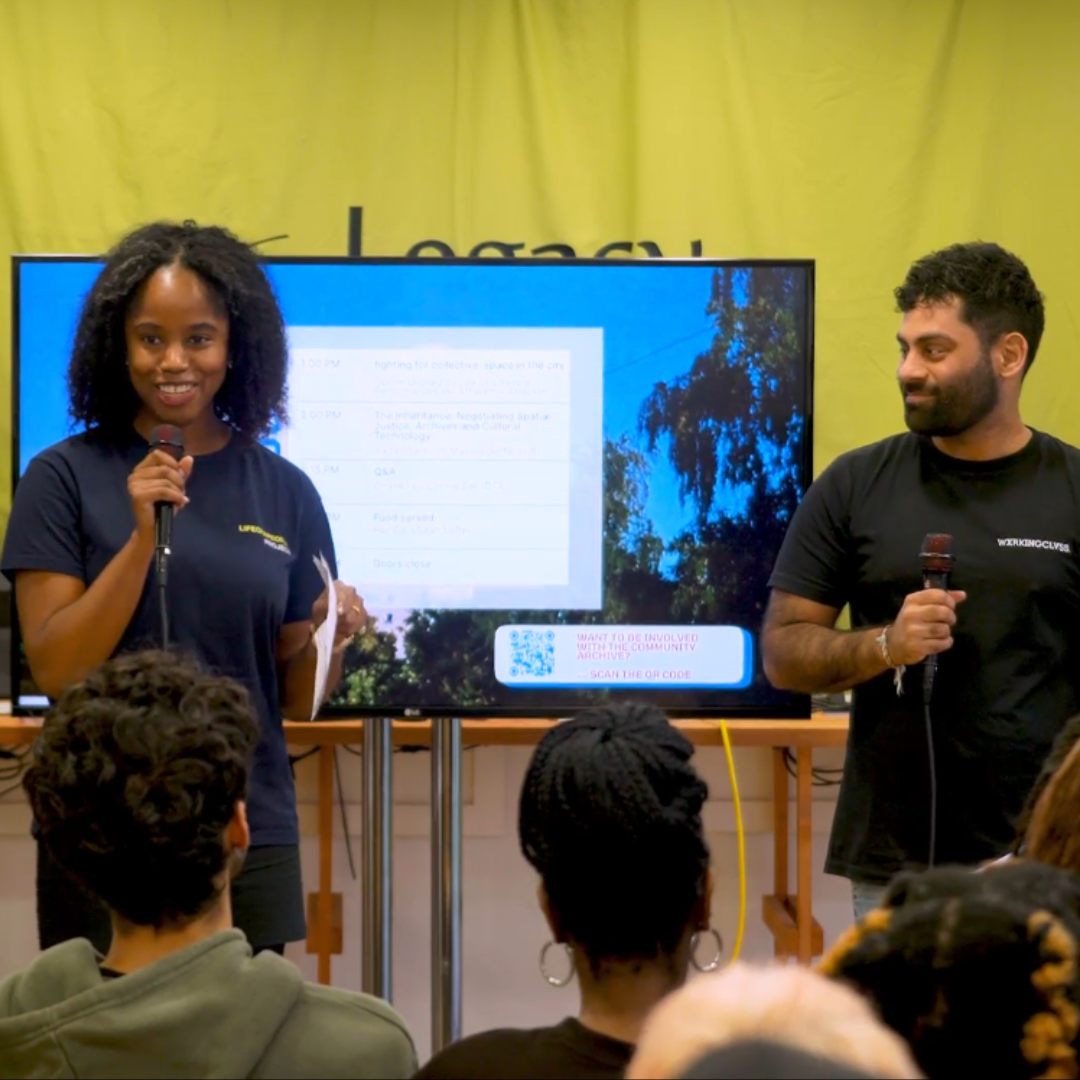
In July 2026 Decolonising the Archive (DTA) partnered with Hood Futures Studio to deliver a unique 4-week Reparative Archiving Course exploring one of the most significant yet under-documented aspects of Birmingham's Black history and archiving —the Rastafari movement.
The Sessions supported access to Rastafari stories in Birmingham (Birmingstrong) as a framework for developing identity and sustainable living structures.
The programme aims to deepen understanding of the significant role Rastafarian communities played in shaping radical thought, cultural expression and social change in Britain during the 1970s to present. By centering these often-overlooked contributions, the workshops invited participants to critically engage with histories that challenge dominant narratives and expand how we understand heritage and activism.
Designed as an early stage, foundational programme, these sessions equipped participants with the critical grounding and historical awareness needed to engage responsibly and creatively with reparative archival practices and the rich, complex histories that underpin them prior to moving into Phase 2 archive and cultural reframing training.
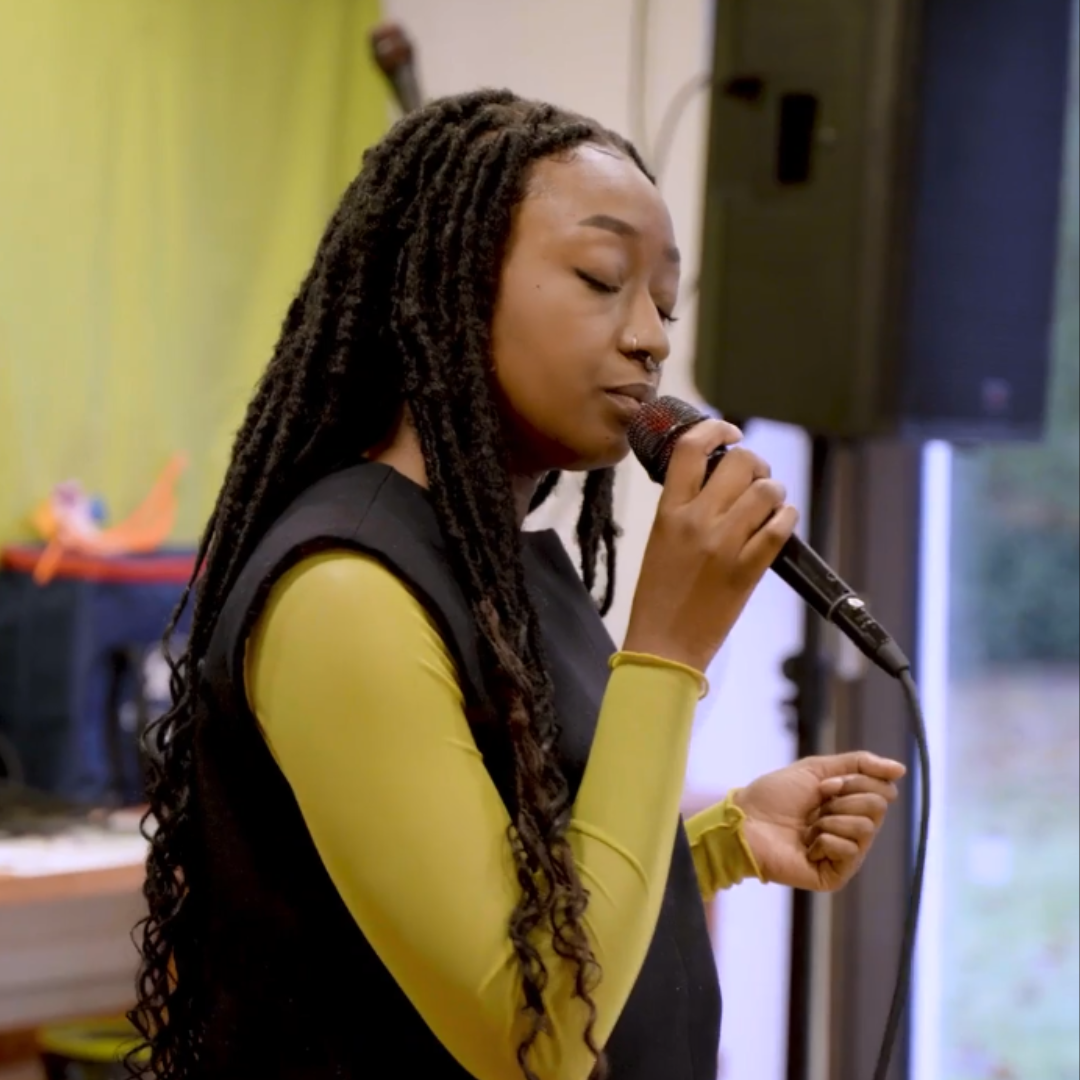
Yard to Archive Session on Chant Composition w/ Ras Ivi
Moving Ahead: 4-Week Community Learning Programme
This unique 4wk learning program delivered by (DTA) has a phase 1 and 2 progression towards learning about Reparative Archiving. Phase 1 explores one of the most significant yet under-documented aspects of Birmingham's African heritage history—the Rastafari movement alongside the narratives of migrant and working class communities who contributed greatly to the industrial boom in the midlands. The method throughout the DTA course is suitably referred to as knowledge reparations.
This community-centred course combines contextual studies, archival practice, and collective learning to examine the history, culture, and enduring legacy of Rastafari in Birmingham (Birminstrong) and maps the development and travel of the movement across the United Kingdom. It is envisioned that this knowledge will add a more meaningful and purpose filled understanding to the existence of communities such as these.
Phase 2 : Community Archive Training and supplementary Knowledge Repair Sessions
Commencing in October 2026: Decolonising the Archive will merge our Reparative Archiving program with Yard to Archive so as to facilitate a knowledge reparations system for Rastafarian communities across the U.K and Europe.
The sessions will have an open access component alongside an enrolment training scheme that will be bordered with various self-made communities across the diaspora.
Graduates from these workshops will attain an accreditation from the Department of Information Services at University of the West Indies.
Together, we will explore how reparative archiving can recover overlooked histories, preserve community knowledge, and strengthen cultural identity for future generations.
.
Why This Course Matters
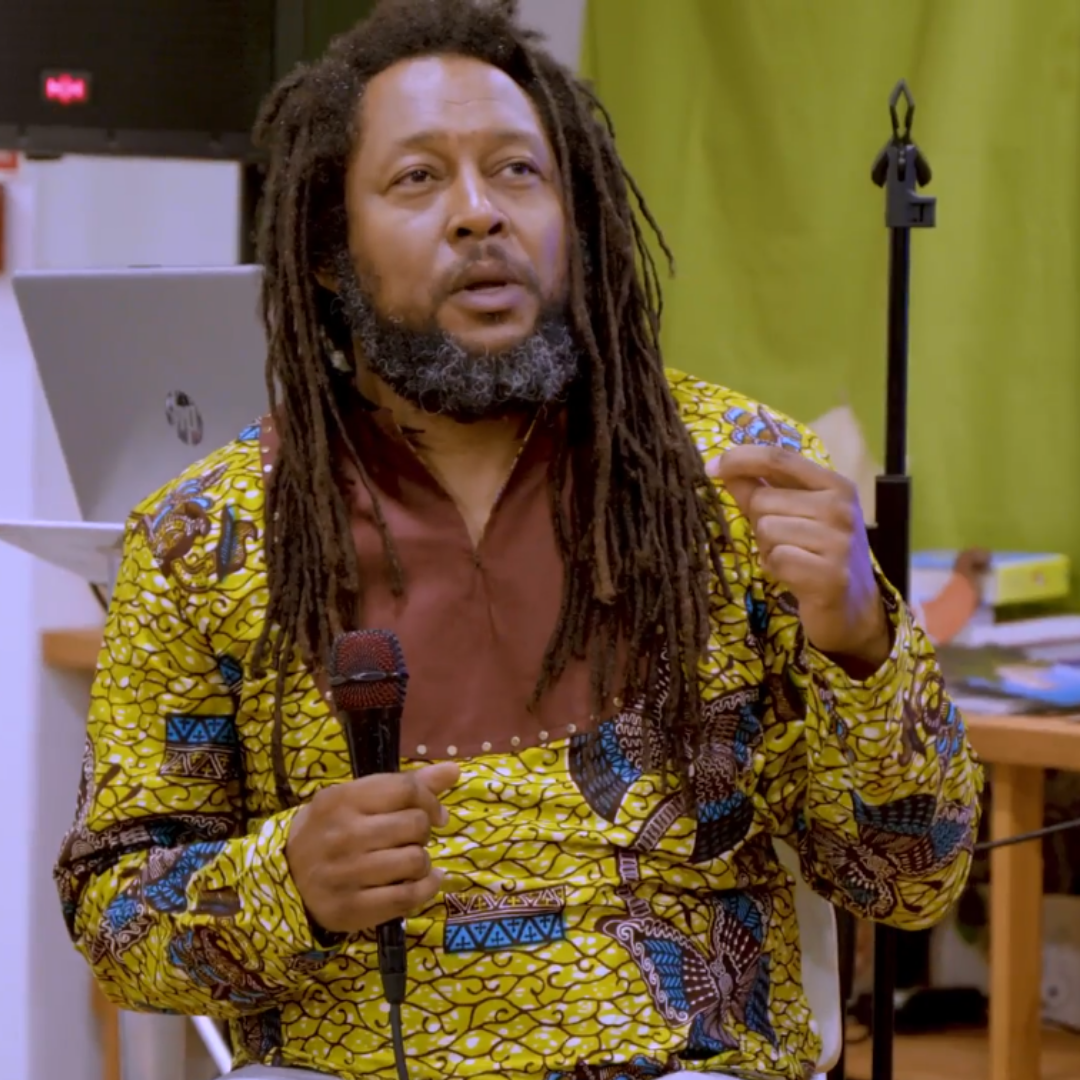
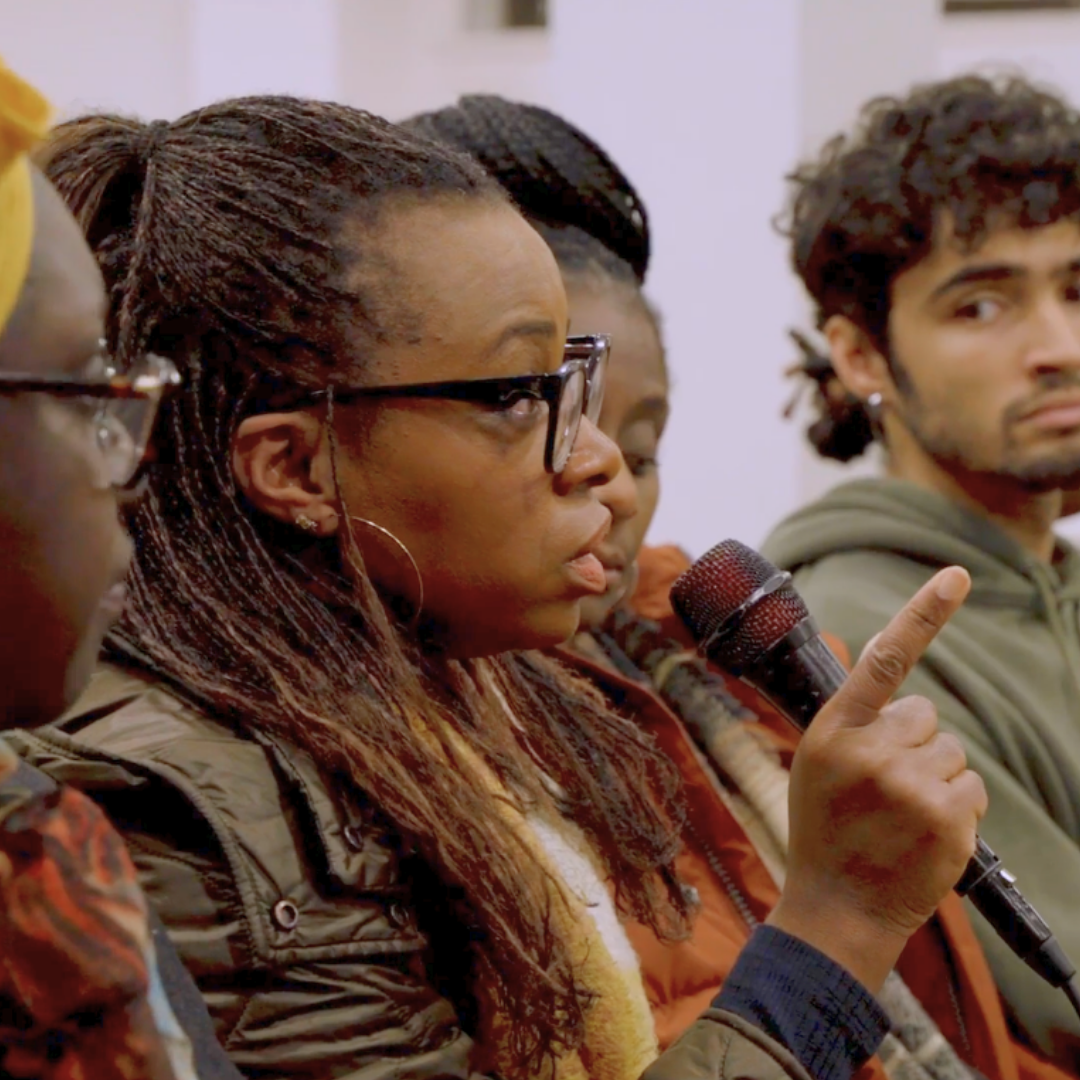
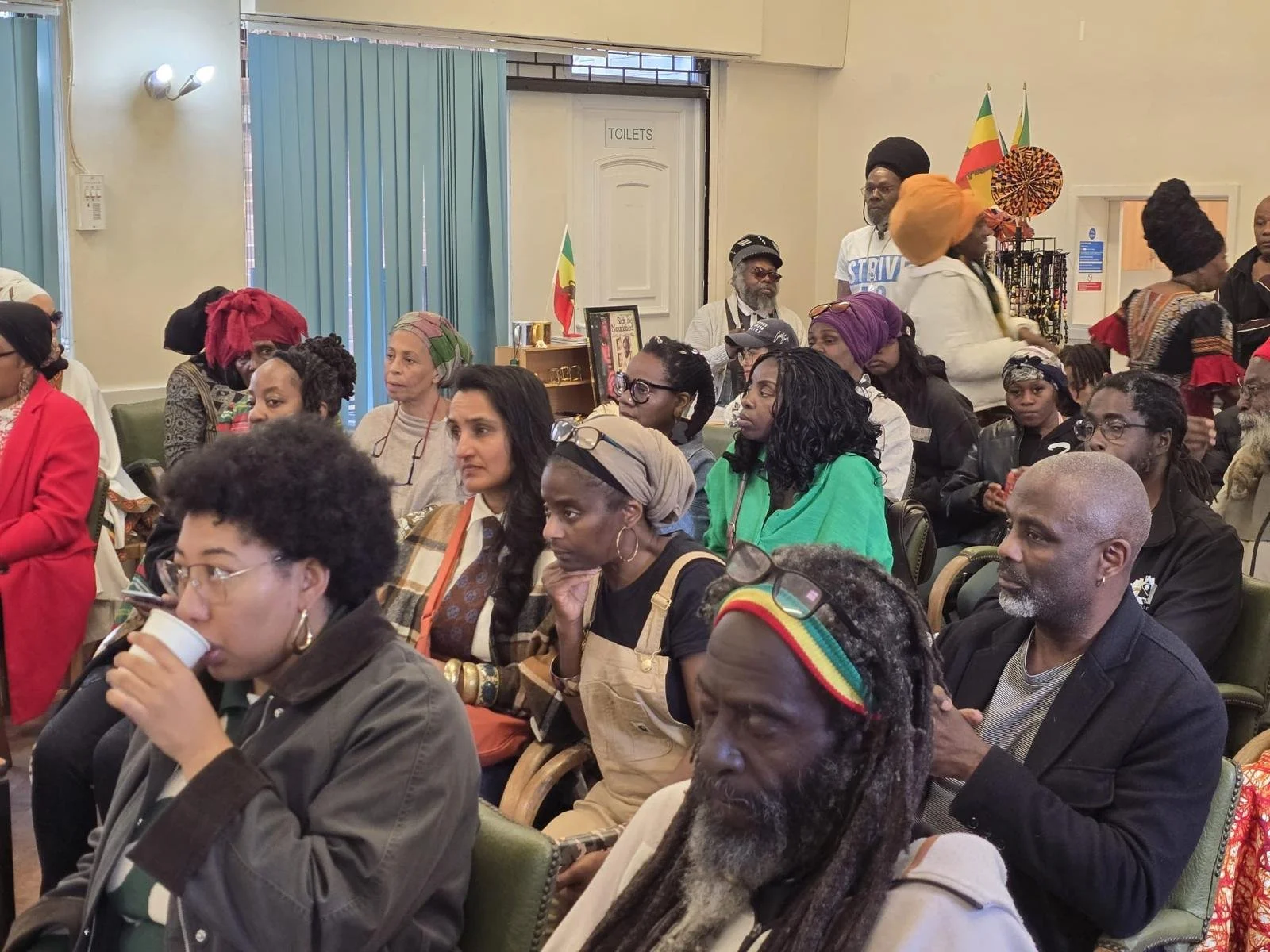
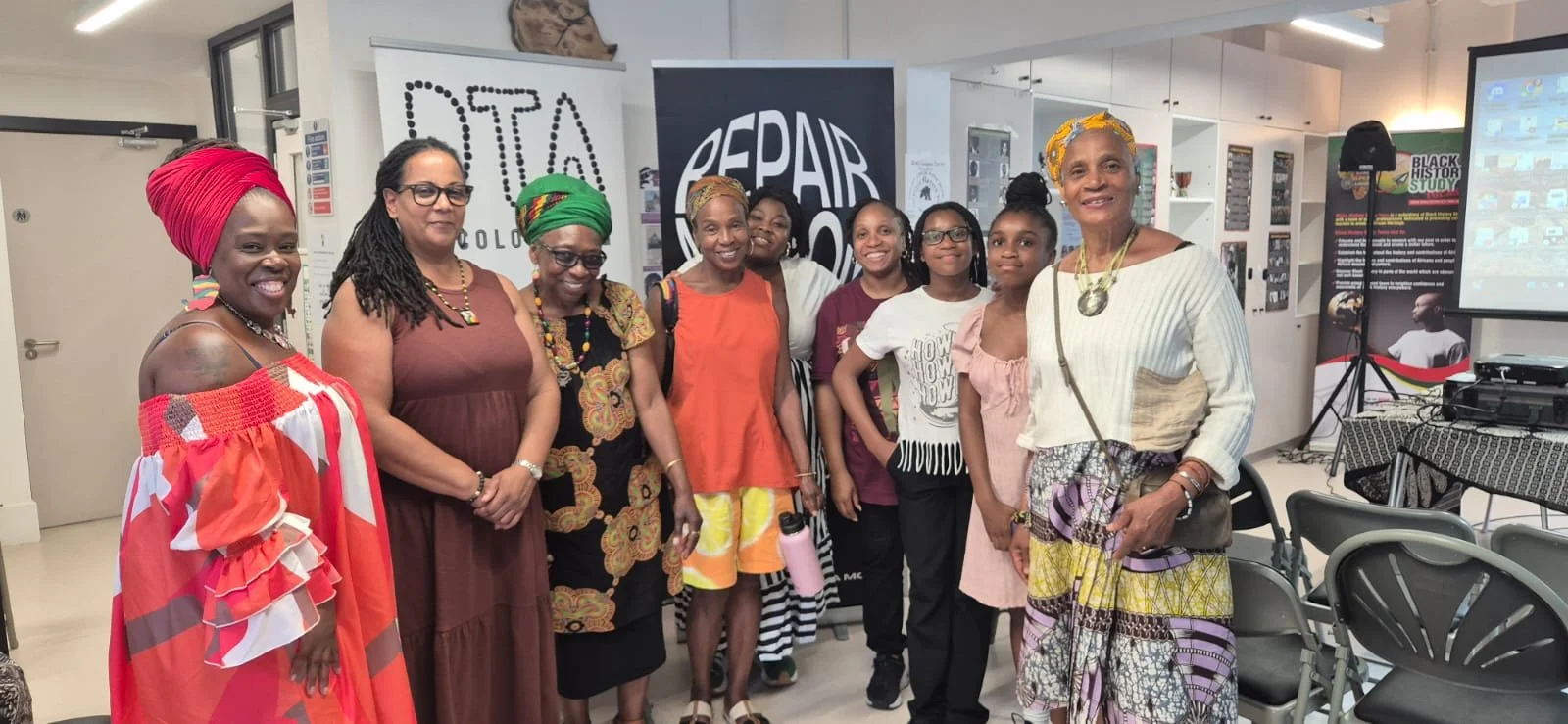
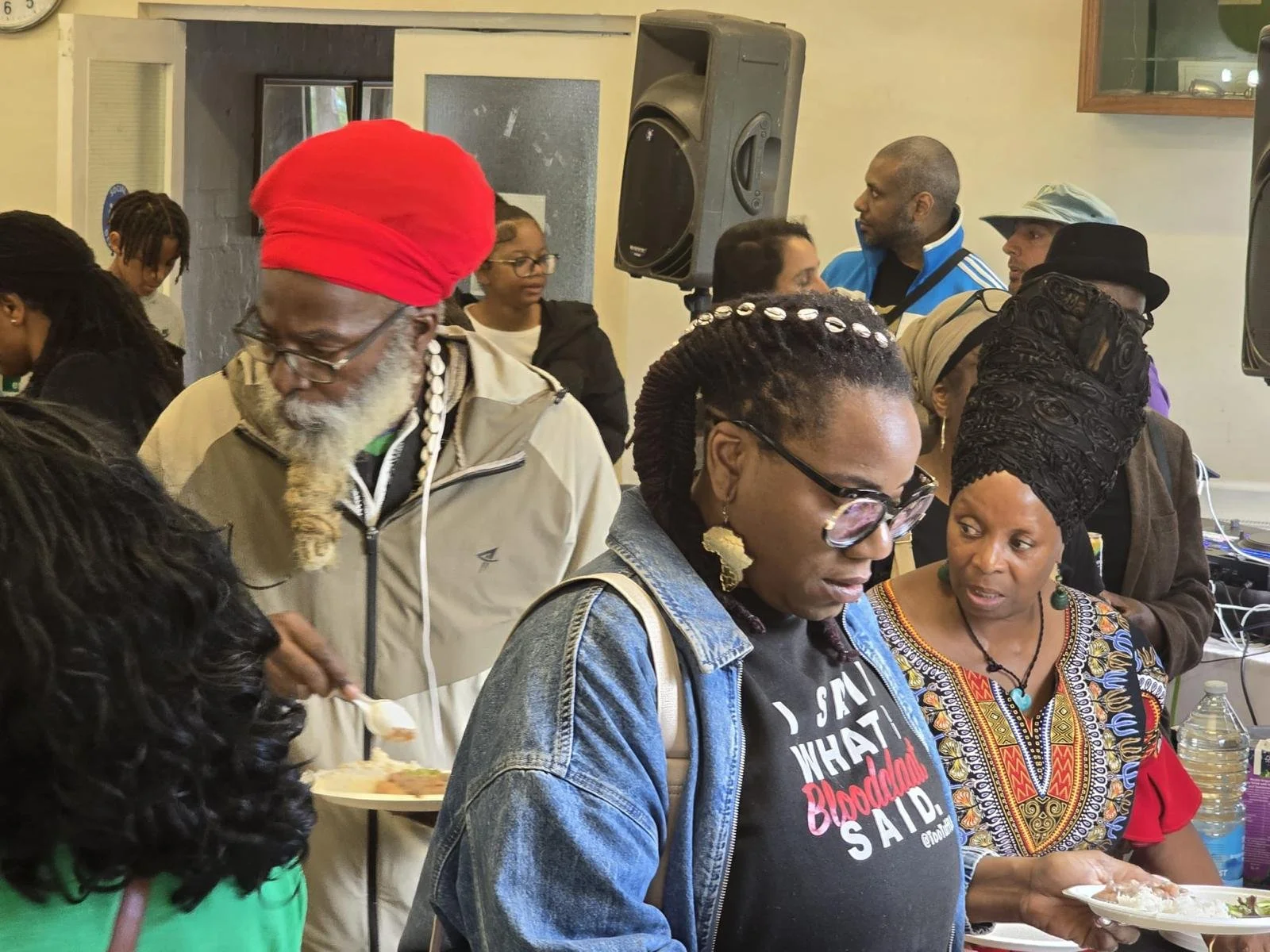
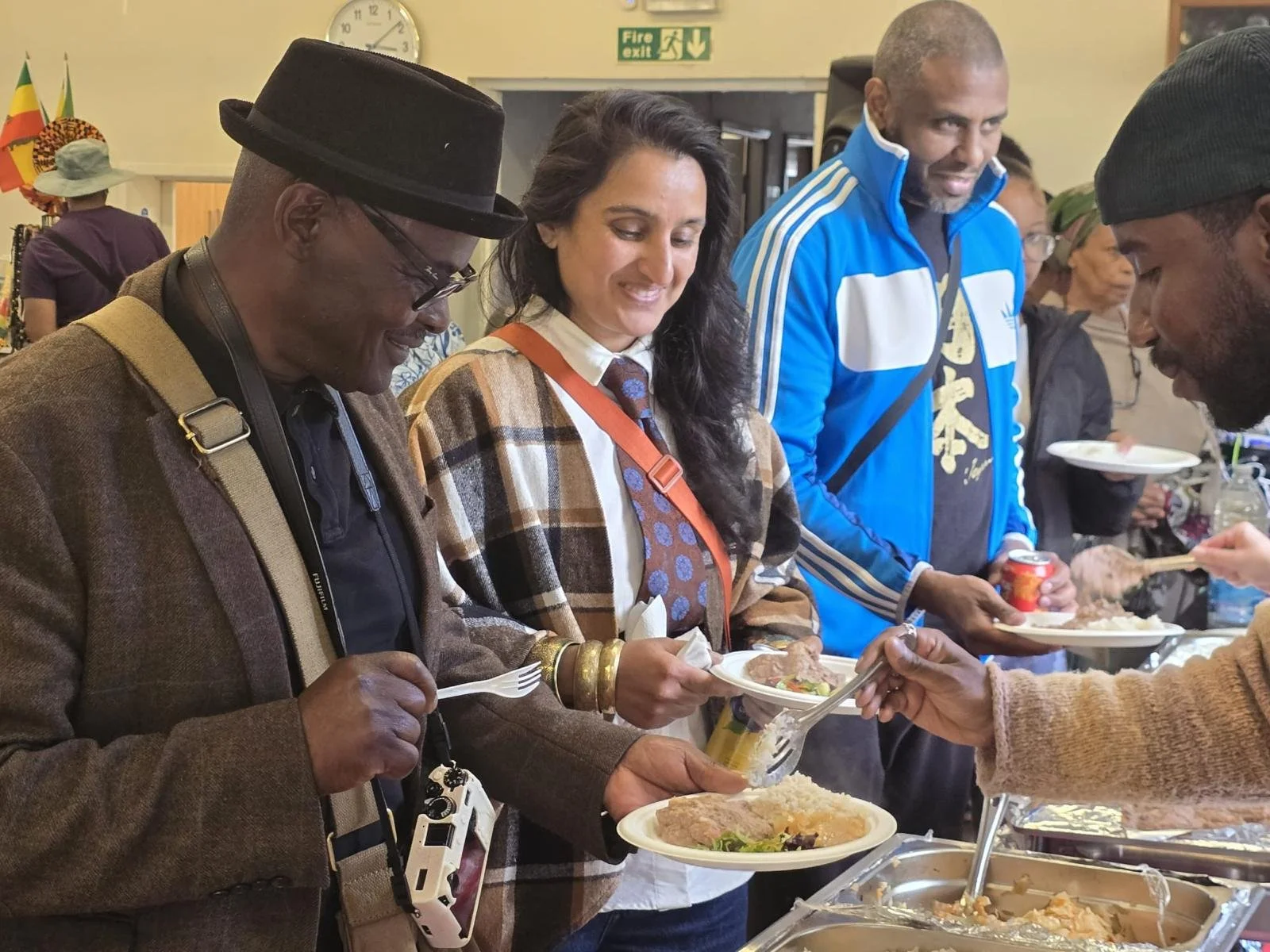
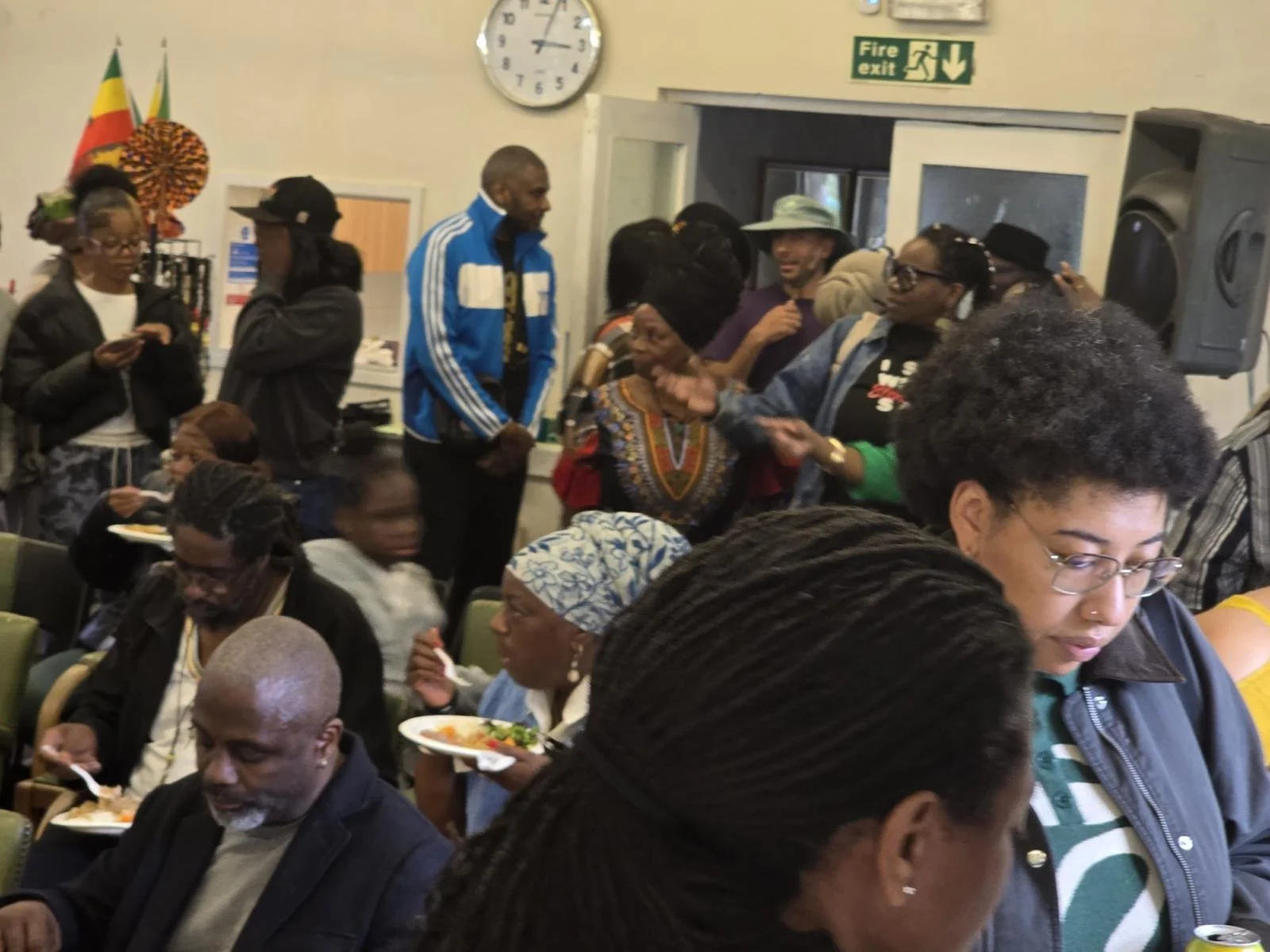
In July and August 2026, we were able to action why this course matters at our course open day in Birmingham and community reasoning with elder Sista Sheeba Levi in London, which was well attended by both the Rastafarian community and members of the Black community (see images).
We examined and explored facts that highlighted many aspects of Birmingham's African heritage history, specifically the Rastafarian movement history in Birmingham, which remains either in the shadows or absent from traditional archives. The experiences, knowledge systems, and contributions of the Rastafari community have often been underrepresented or overlooked. More importantly this communities history have not been activated and remain within a cerebral or academic paradigm.
This course has been developed to help address these gaps by creating space for community-led documentation, research, and storytelling. Through reparative archiving, participants will learn how to preserve histories that have too often been excluded, while ensuring that future generations inherit an archive that better reflects the richness and diversity of Black life in Birmingham.
What You Will Explore
Throughout the four weeks, participants will:
Discover the principles and practice of Reparative Archiving.
Explore the history and development of Birmingham's Rastafari movement.
Examine the relationship between identity, memory, and community archives.
Learn how archives can become tools for cultural preservation and social justice.
Discuss sustainable ways of protecting and sharing community knowledge.
Contribute to conversations about preserving Birmingham's Black heritage.
Meet with and work alongside Rastafarian communities
A Community-Led Learning Experience
Decolonising the Archive has developed an innovative framework for Reparative Archiving, designed to empower communities to document, preserve, and interpret their own histories.
Working alongside Hood Futures Studio and local community members, this course represents Phase One of a longer-term collaborative project to build community archives that reflect lived experience, cultural memory, and historical truth.
Celebrating and planning on what to do with the Legacy of Rastafari
From Yard to Archive, recognises that there is an urgent issue regarding negotiating our spatial justice as a people and the currency of cultural knowledge within archives. As such DTA has designed and developed a program that works in alignment with our cultural competencies as well as the values that our community have made both scientific and political under the infrastructure of Rastafari principles. With that in mind the course facilitates a rich connectivity with the actual Rastafarian community and facilitates a dialouge between the Rasta community and those from the African heritage community in an effort to build pride, identity and futurity to the teachings of Rastafari.The Rastafari movement has made a profound contribution to Black British history, Pan-African thought, community organising, cultural expression, and alternative approaches to education, health, spirituality, and sustainable living.
The mission of the course is to recognise its influence both within Birmingham and across the wider African diaspora.
Together, we will explore how communities can continue telling their own stories, safeguarding their own knowledge systems, building lasting legacies, and creating archives that serve present and future generations.
Who Should Attend?
This course is open to:
Rastafarian Community members
African heritage Community
Researchers and students
Archivists and heritage professionals
Artists and creatives
Educators
Anyone interested in nurturing African heritage (Black history), reparative justice, and community archives
No previous archival experience is required—only a willingness to learn, share, and participate.
Join the Movement
Be part of a new approach to preserving Black history and be part of a Pan African Global community.
Together, we can recover overlooked stories, strengthen community knowledge, and build archives that honour the past while inspiring future generations. To find out more and to support email team@decolonisingthearchive.com
Impact
The program is in its first iteration and has completed everything it said it would and thus far has now established bilateral relationships with five Pan African communities.
This course creates space for meaningful dialogue around the rich history, philosophy, and liberation traditions of Rastafari, recognising its influence both within Birmingham and across the wider African diaspora.Together, we will explore how communities can continue telling their own stories, safeguarding their own knowledge systems, building lasting legacies, and creating archives that serve present and future generations.
Decolonising the Archive believes in the power of collaboration as such we have joined hands with like minded individuals and groups to get this information shared and accessed.
More Course Details
The next sessions will be announced via Decolonising the Archive(DTA) and Hood Futures Studio so follow on instagram to ensure you get a space on the course.
Correcting Our Collecting in the Midlands: DTA X Hood Futures Studio