
APPLICATIONS ARE NOW CLOSED FOR 2026 ~
APPLICATIONS ARE NOW CLOSED FOR 2026 ~
MUSEUM RESTITUTION COURSE
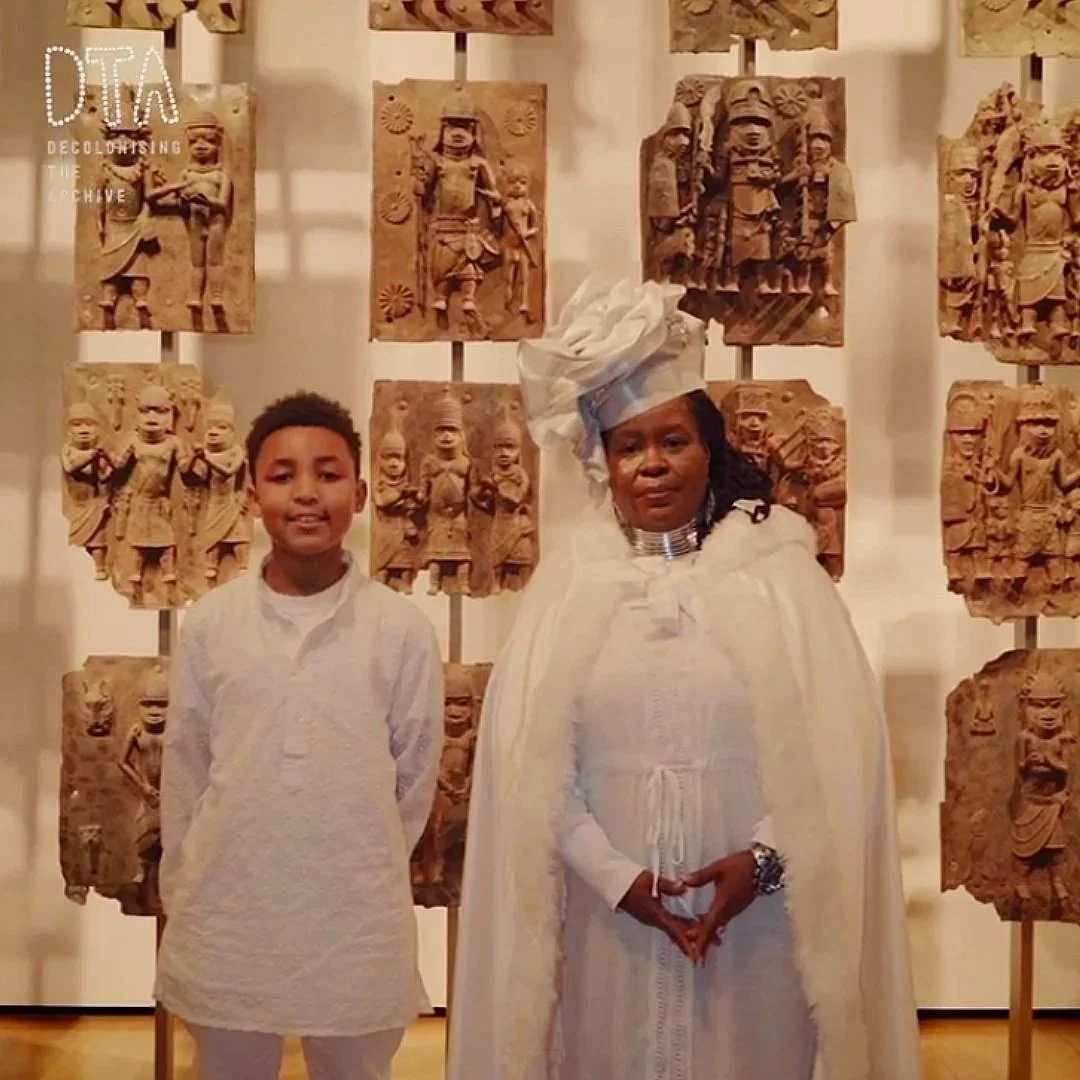
The Museum Restitution Course offers specialised training and accreditation for individuals seeking to become Ancestral Remains Ethical Rights Enablers, Restitution Advocates, and Community Stewards.
The programme is closely aligned with the ongoing human rights parliamentary campaign Laying Our Ancestors to Rest, ensuring that its purpose is both academically grounded and socially urgent. As such, the course functions not only as a learning programme but as a purposeful activation platform, equipping participants to advocate for ethical reform and support policy changes that challenge the continued inhumane treatment, display, and circulation of ancestral human remains.
More than a training programme, the Museum Restitution Course serves as a platform for mobilisation, empowering a new generation of advocates working to confront and end the inhumane collecting, display, and circulation of ancestral remains.
The Museum Restitution course engages with the following:
6 week online training with scholars and experts
A further 2 week placement
Advocacy participation through the Laying our Ancestors to Rest Parliamentary Campaign
Designed for individuals working across heritage, human rights, and community leadership
Learn more below…
APPLICATIONS FOR 2026 ARE NOW CLOSED

WHAT IS RESTITUTION?
Restitution is the act of returning a lost or stolen object of historic or cultural significance to its country or community of origin. It aims at justice for past wrongs, but it can be a sensitive and complicated process.
Join Our Parliamentary Campaign
2026
2025


(Learn about this campaign below)
WHY DO WE NEED THIS COURSE?
The holding of ancestral remains as items of curiosity and/or entertainment is extremely problematic. The course creates a pathway to a more informed understanding of potential corrective measures as well as some of the complexities around these.
The proper disposition of remains is an obligation stemming from human rights principles. International bodies like the OHCHR are working to develop principles for the humane treatment of the dead, recognising the importance of respectful disposition.
The Museum Restitution Course is an intensive training programme designed for practitioners, scholars, cultural workers, and community advocates committed to transforming the ethical landscape of museums and heritage institutions. It is facilitated by international experts who are practically engaged with this work.
COURSE OUTLINE
The intensive updated course sessions cover 8 weeks, addressing the subject matter of African and Indigenous Ancestral Remains held in Museums and their connection to our broader reparations and restitution struggle.
The course addresses issues of cultural amnesia, historical inequity, legalities and policies surrounding the matter and the basic right to humane disposition of remains. It is facilitated by international experts who are practically engaged with this work.
The course leader is Connie Bell (Memory Worker).
THE COURSE COMMENCES IN JULY 2026
(Applications are now closed)
COURSE ENROLLMENT INFORMATION
-
Through training in advocacy, community engagement, provenance research, and best-practice frameworks, the course prepares participants to:
Champion restitution processes with clarity and confidence
Work ethically and collaboratively with African and diasporic heritage communities
Interrogate and reform institutional policies
Protect the integrity of cultural narratives and archival records
Support museums in transitioning toward reparative and accountable practice
-
To apply, please complete the Application Form by 1st May 2026.
Successful Applicants will be shortlisted for interviews in May 2026 and if successful, will gain access to the advocacy training programme.
The programme will begin with an orientation day in late July 2026 ( date TBC).
-
Course Start Date: 30th July 2026, starting with an Orientation Day (see below)
Applications Close: 1st May 2026
Interviews: (tbc)
Orientation Day: 30th July 2026. The course will open with an Orientation Day that will provide an in-depth explanation about the programme and what is expected from students. Students on the course will be able to use this as an opportunity to ask more questions and to ascertain more details in regards to the program and whether they wish to continue with the opportunity
-
The course consists of intensive sessions that will take place once a week over an 8-week period starting in late July 2026 (date tbc).
6 × 2 hour workshop sessions held over 6 consecutive weeks
2 x additional placement sessions (more information will be provided at the interview stage). As such, please plan for 8 weeks in all.
Time: the sessions/classes are conducted at 6:30pm GMT on 6 consecutive Thursdays. (More information will be provided on this, after enrolment).
-
Through this process, participants will be trained to become:
Ancestral Remains Ethical Rights Enablers practitioners
Cultural Restitution Advocates
Graduates will be capable of navigating the ethical, cultural, and policy dimensions of ancestral restitution work.
Graduates will be awarded with a Certificates and Badges upon successfully completing the course sessions and assessments.
-
The course is accessible with carefully coupled Hybrid sessions (to facilitate flexibility for out of town and overseas students).
It consists of a 6-week online sessions and a further 2-week placement.
The course is facilitated by international experts who are practically engaged with this work. The course leader is memory worker, Connie Bell.
-
Participants are expected to attend all taught sessions and participate fully in any themed session discussions and activities.
Students will also be put on placements as part of their learning and examination process.
The course has been designed to minimise the need for advance reading of supporting material and the setting of assignments outside of taught time. However, where this is marked as essential, students will be expected to complete any set reading/watching/listening in preparation for course sessions as well as any work arising from taught sessions.
Students will be expected to complete a reflective essay/oral/visual assignment reflecting their understanding of the material shared and its relevance to their own research/practice/praxis accompanied by a practical exercise.
Graduates of the course will be awarded with Certificates and Badges upon successfully completing the course sessions and assessments.
-
No formal qualifications are required for course admission, however, participant selection will be based on:
Relevant experience:
Community development/activismMemory work
Advocacy work
Relevant skills:
Able to express ideas coherently orally, in writing and or other media:
Literacy
Critical thinking
Individual and group study skills
Time management -
In our commitment to the self-determined repair of our community, Decolonising the Archive (DTA) offers a limited number of bursaries for this new stand-alone module. As these are limited, it is imperative that they are shared with those who are demonstrably committed to making positive changes in this area and who are able to deal with the gravity of the subject matter.
About the Course
The remains of our ancestors lie incarcerated in Museums and collections across Britain. This is a result of their violent removal from African and Indigenous communities by colonial powers. This fact is largely unbeknown to the general public, including the communities they were stolen from.
The course was born out of a need to address these injustices. The programme addresses the urgent need to confront this legacy of colonial acquisition, which has led to the commodification of sacred and cultural objects. The circulation of human remains within museum economies and private collections continues to this day. This inhumane treatment of ancestral remains continue to contribute to the dissolution of cultural identity for African heritage people in Britain and similarly impacted heritage groups.
At a time when questions of ownership, consent, and historical accountability are reshaping the cultural sector, this course equips participants with the critical tools, historical grounding, and practical strategies necessary to navigate and lead restitution work with integrity.
As such, the course facilitates the training of participants to become Ancestral Remains Ethical Rights Enablers. This not only provides sharing of the knowledge on the matter and the historical resonance of these subjects prior to their incarceration, but more importantly opens a space for the community to speak and petition on behalf of the deceased to be liberated.
Central to the programme is the Laying Our Ancestors To Rest policy agenda, which calls for an end to the buying, selling, and exhibition of human remains and supports their dignified return. This policy is part of an ongoing campaign in the UK Parliament (see below).
More On Our UK Parliamentary Campaign


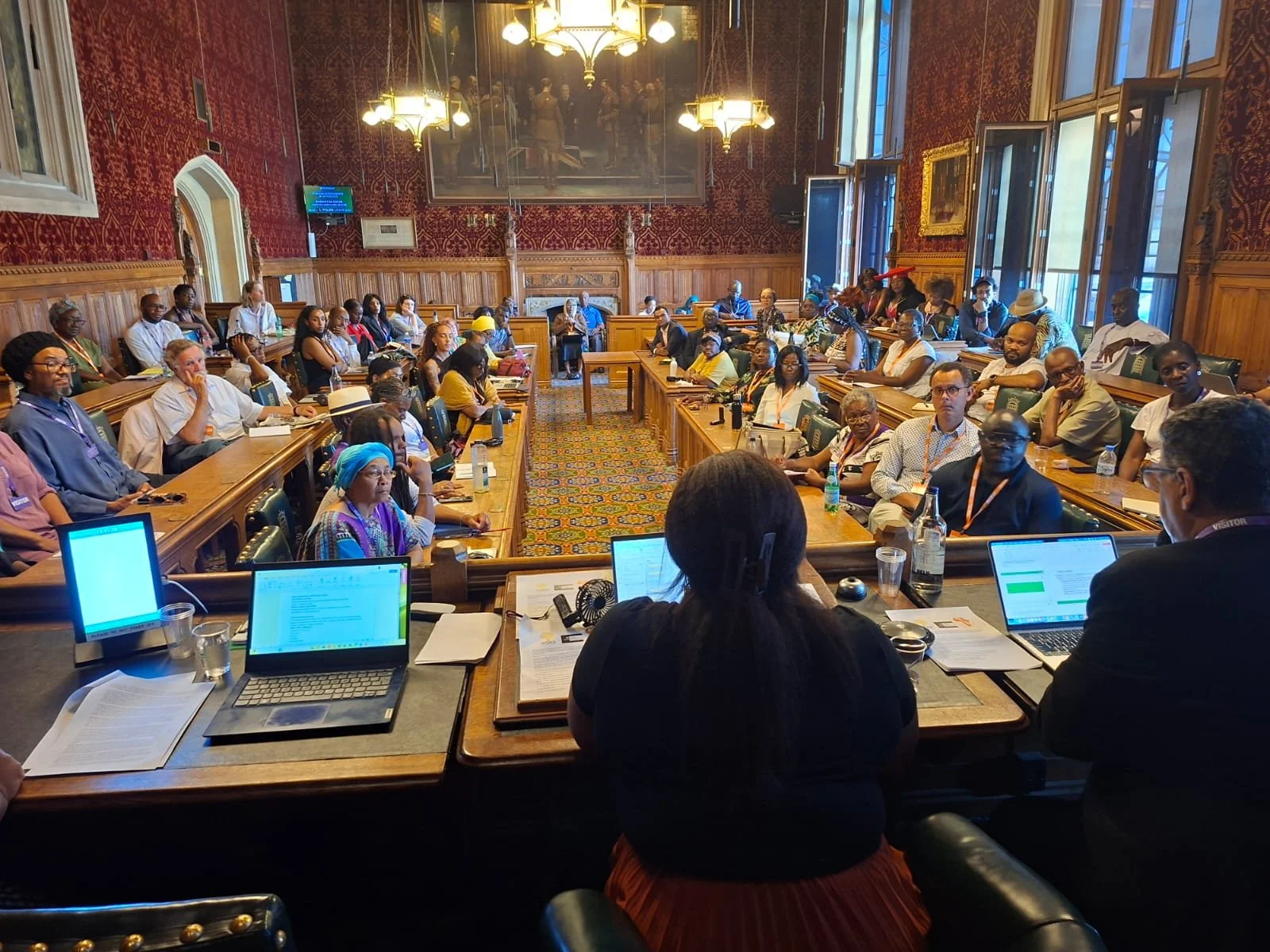
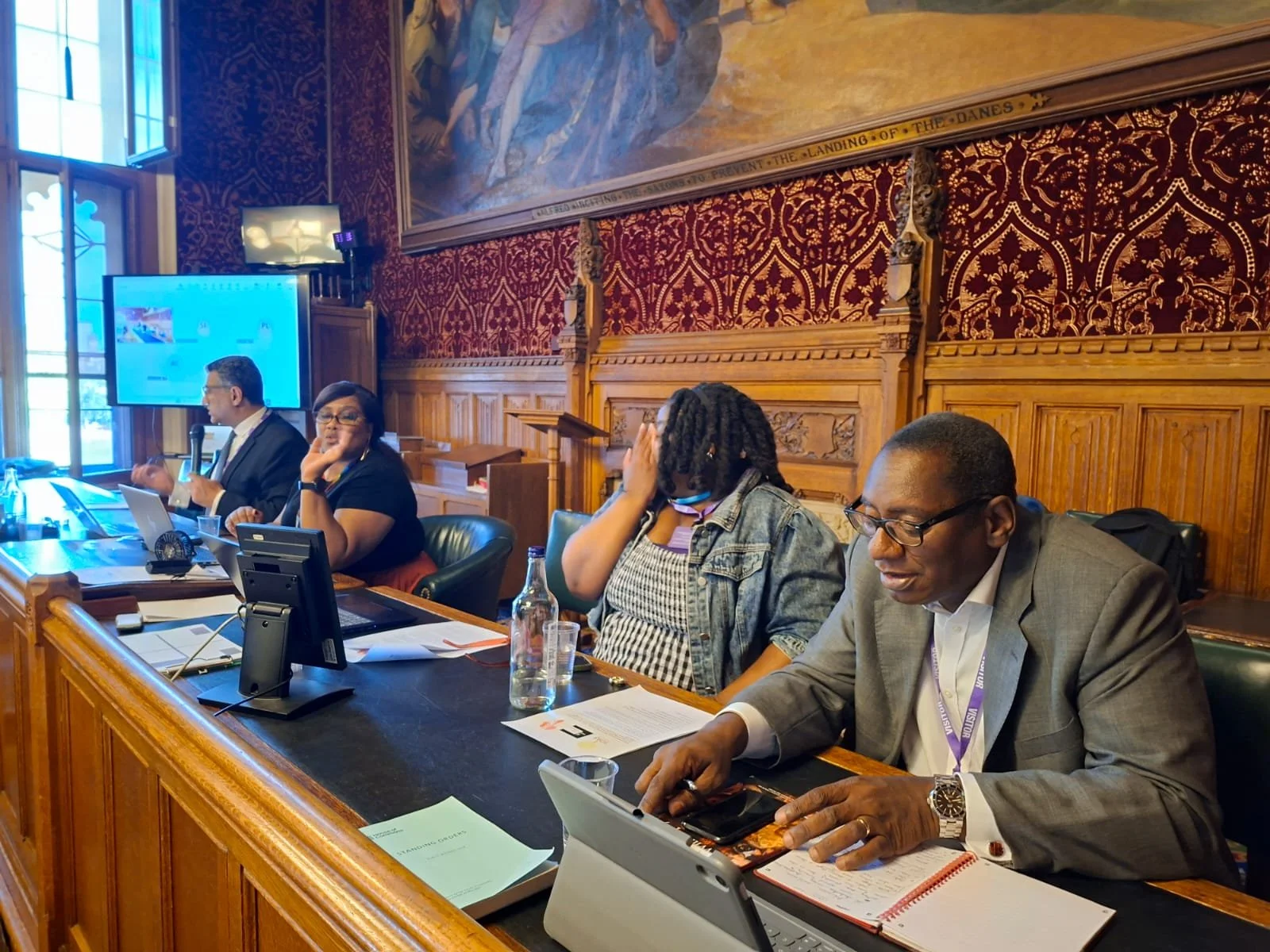
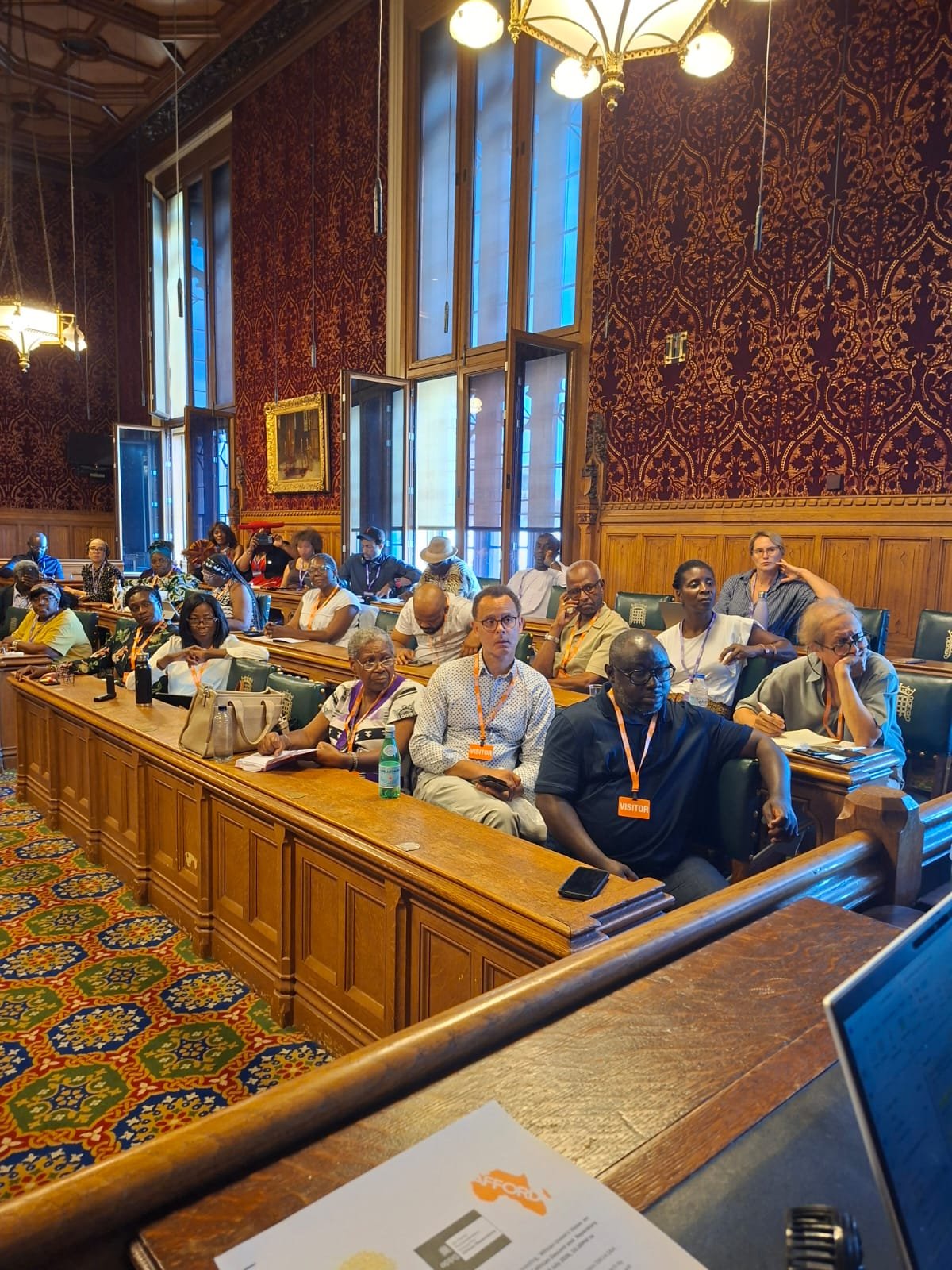
(January 2025 - Course Graduates contributing to the Parliamentary campaign)
On Wednesday 7th March 2025, Decolonising the Archive (DTA) attended a UK Parliamentary policy brief launch. We collaborated with the APPG, AFFORD and AFRIMUHERE to present our research on Human Remains in the UK. We were joined by leading M.P. on this matter, Bell Ribiero-Addy and members of the wider community, to campaign for the restitution of ancestral remains held in museums, institutions and private collections across the U.K.
Campaigners:
The All-Party Parliamentary Group for Afrikan Reparations (APPG-AR)
African Foundation for Development (AFFORD)
African Museums and Heritage Restitution (AFREEMUHERE)
And members of the community/public
The report, Laying Ancestors to Rest – the African Ancestral Remains Project, was produced by AFFORD's Iben Bo, she presented the recommendations to the change in UK legislation, including the Tissues Act, and demanded a ban on the sale of ancestral remains. The purpose of the meeting was to raise awareness and a call for the justice and ethical return for rightful burial.
The meeting was chaired by MP Bell Ribeiro-Addy and featured speeches from Ancestral Remains Ethical Rights Enablers who are graduates of DTA's Museum Restitution Course, Connie Bell (Museum Restitution Course leader) journalists and speakers from other groups. Members of the community included campaigners who voiced their support for these recommendations, and their disapproval for the lack of desired progress by politicians and the government thus far.
REFRAMING COLLECTIONS, RESTORING DIGNITY, RECLAIMING AUTHORITY
The Museum Restitution Course recognises that restitution is not simply about objects or theoretical debate — it is about restoring dignity, rebalancing power, and reshaping the relationship between institutions and the communities whose histories they hold. It functions as a meaningful knowledge-exchange programme, fostering dialogue between museums and African heritage groups while centring community authority and lived experience.
Participants will learn how to serve as cultural mediators — navigating complex institutional environments while safeguarding accurate information, ensuring responsible interpretation, and promoting ethical dissemination of artefacts.
We will interrogate the conditions that shaped global museum collections and equip participants with the knowledge to influence the future of museum policy and practice.
METHODOLOGIES & FRAMEWORKS
Through rigorous historical analysis and studying contemporary case studies, participants engage in a robust historiographical examination of how collecting practices were constructed, justified, and institutionalised — and how they can be ethically dismantled and restructured.
Central to the course is the Laying Our Ancestors To Rest policy agenda, which advocates for the cessation of the buying, selling, and exhibition of human remains and calls for their dignified return to descendant communities. Participants will explore the legal, ethical, and diplomatic dimensions of this work, developing the confidence and capacity to advocate for policy change within institutions and across international contexts.
To apply, please complete our Museum Restitution Course Application Form.
If you have any queries, email: dtaworkspace@gmail.com
#ACTION NOT A BAG A MOUTH


PUBLIC AWARENESS SESSIONS
DTA has offered a series of Public Knowledge sharing and Awareness Sessions to support our scholarship scheme whereby we give full scholarships to attend the course. These recordings will soon be available in our Resources pages.
GUEST SPEAKER: ATTORNEY DEADRIA FARMER-PAELLMANN (USA)

One of our course’s international experts Deadria Farmer-Paellmann was a guest speaker during the course’s public lecture series. She provided an in-person lecture and reasoning session on the return of the Benin Bronzes.
Deadria is a Founder and Executive Director of the 24-year-old New York-based Restitution Study Group, a renowned New York non-profit dedicated to reparatory justice, notably exposing corporate ties to slavery.

A reasoning amongst the audience during the event led by Deadria Farmer-Paellmann
She presented a compelling exploration of the journey from exposing corporate complicity in slavery to advocating for the repatriation of Benin Bronzes to African-descendants, highlighting the intersections of justice, accountability, and cultural restitution.
Her advocacy led to apologies and restitution payments from major entities like Brown University and JPMorgan Chase. Inspired by her own family's history and driven by a commitment to justice, Deadria continues to champion the return of cultural artefacts and the rights of descendants of enslaved Africans worldwide.

Community Archivists Outreach Team at Deadria Farmer-Paellmann’s first public lecture Complicity - From Corporate Slavery Restitution to Repatriation (January 2025)

Team at the second session,Community Consultation & Public Awareness, with our Ancestral Remains Ethical Rights Enablers graduates from the Museum Restitution Course at the Africa Centre (February 2025)