

CORRECTING
OUR
COLLECTING.
ARCHIVING
FOR
SELF.
ARCHIVING
FOR
COMMUNITY.
CORRECTING OUR COLLECTING. ARCHIVING FOR SELF. ARCHIVING FOR COMMUNITY.
CORRECTING OUR COLLECTING:
AN INTRODUCTION TO REPARATIVE ARCHIVING


WE ARE EXCITED TO ANNOUNCE THAT CORRECTING OUR COLLECTING IS NOW AN ACCREDITED WORKSHOP SERIES DELIVERED IN COLLABORATION WITH THE DEPARTMENT OF INFORMATION STUDIES AT THE UNIVERSITY OF THE WEST INDIES.
(Correcting Our Collecting Course: This Emancipation Day Workshop was led by Mitchell Esajas from Black Archives Amsterdam (Netherlands) (August 2025)
Correcting Our Collecting: An Introduction to Reparative Archiving is a programme of accredited workshops introducing elements of the theory and practice of archiving through a reparative lens. Drawing on African and African diaspora ways of knowing, the course aims to support participants engaged in memory work to align their practice with the needs of their communities. Workshops are facilitated by leading experts with a lived, practical experience of community archiving, reparations, memory work, performance studies and social justice.
A blend of presentations, group discussions, practical tasks and individual study, the course introduces the concept of reparations as it relates to archiving and memory work, explores a range of different record forms which hold meaning for African and African Diaspora communities and discusses joy/trauma-informed approaches to working with archives.
(see further details below).
Applications are now closed
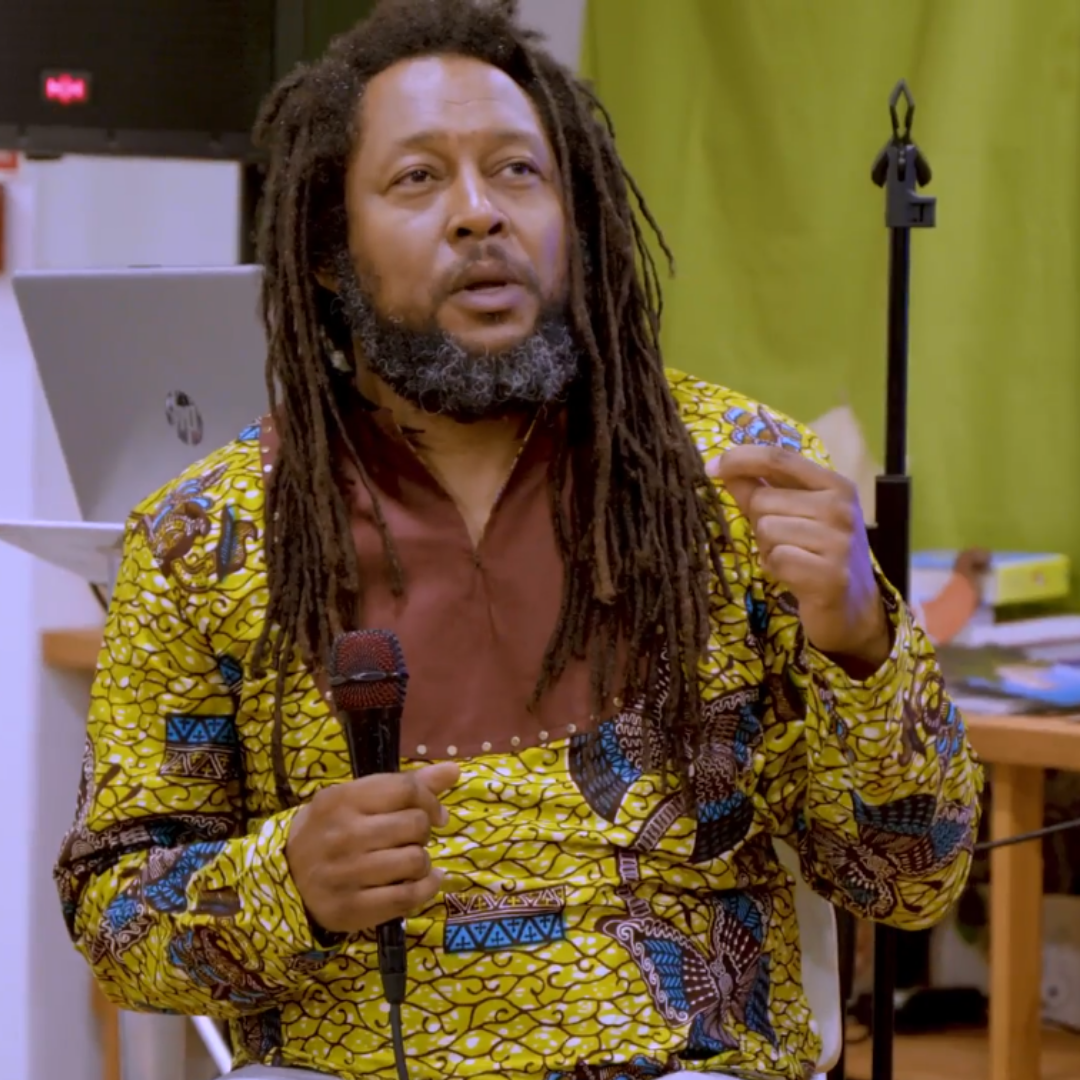
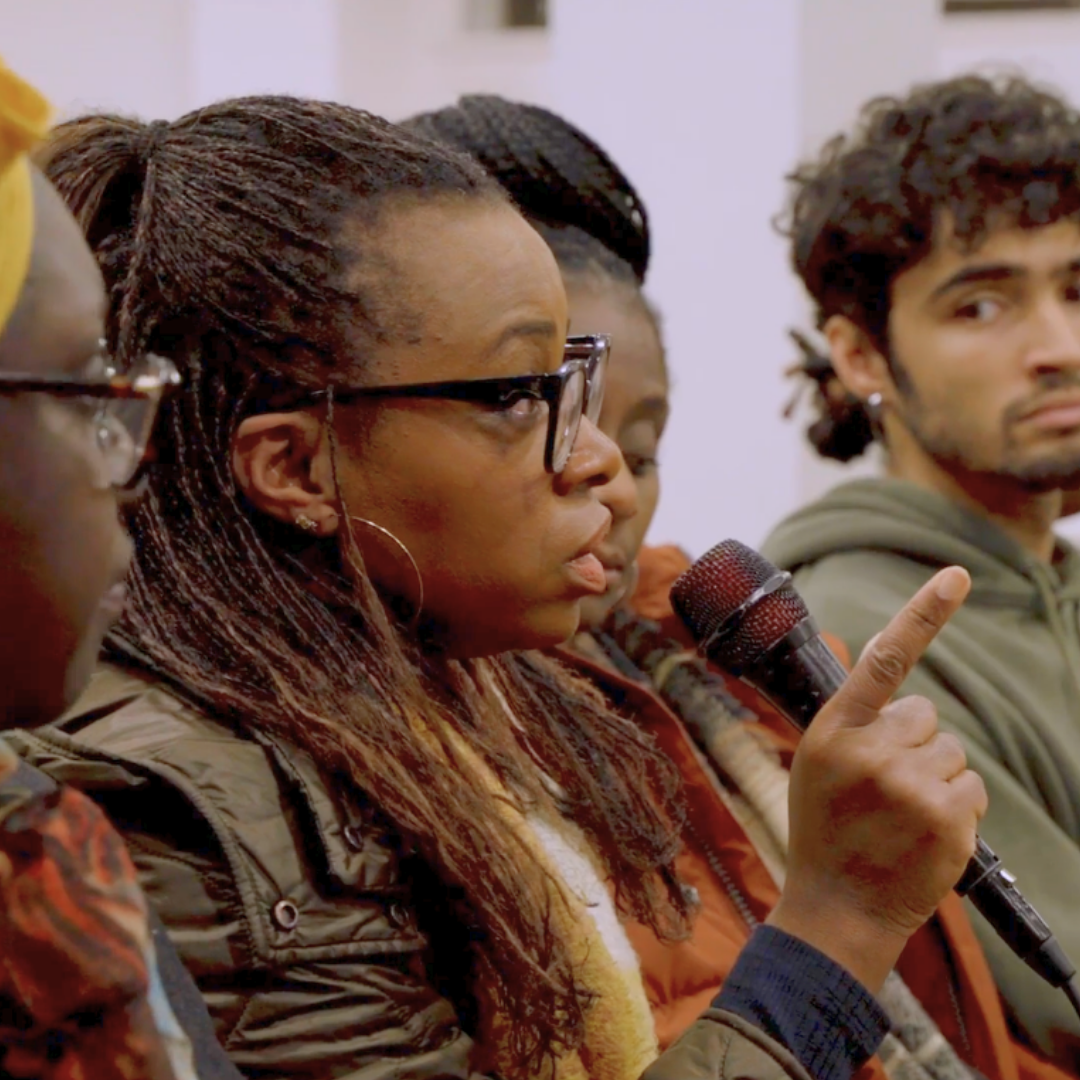
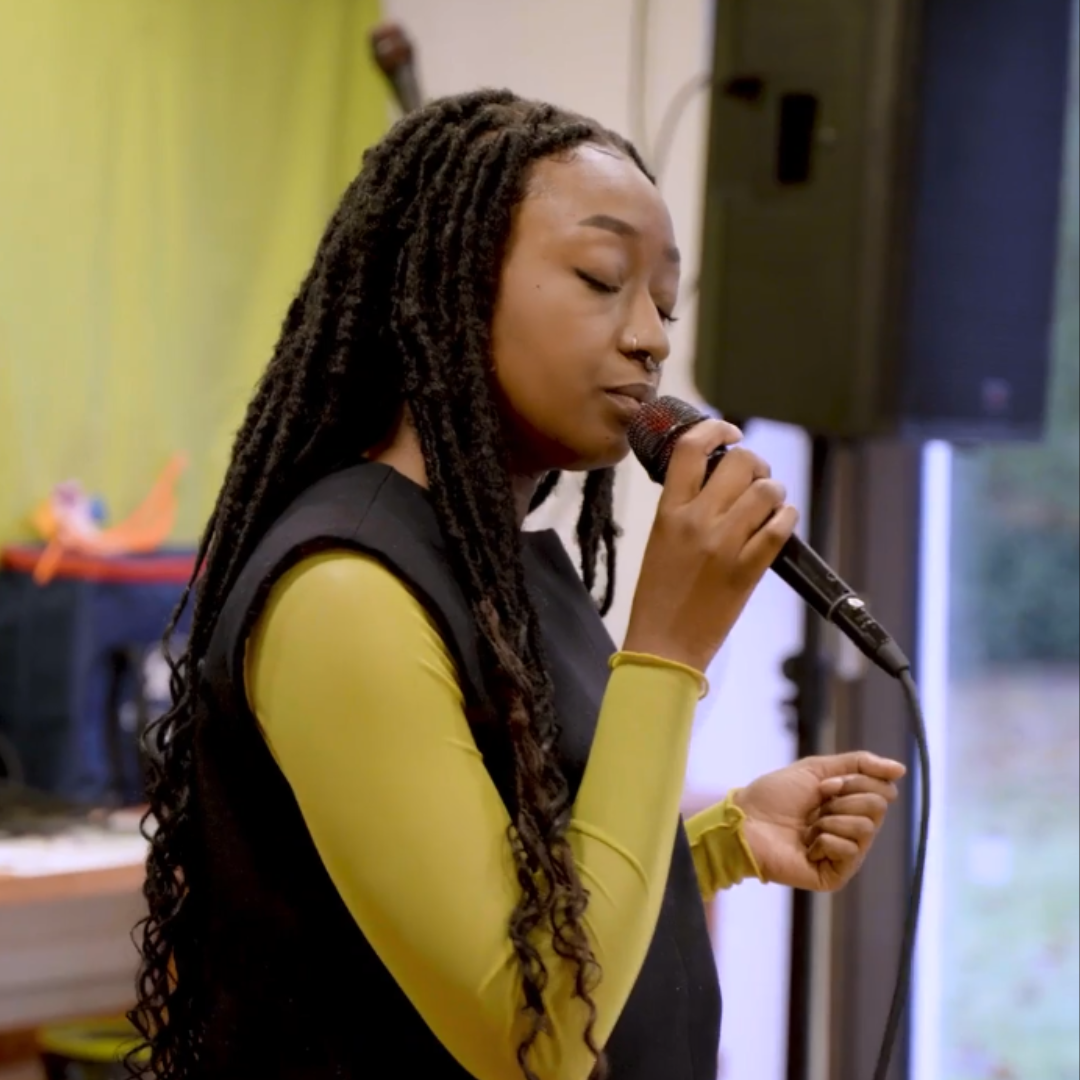
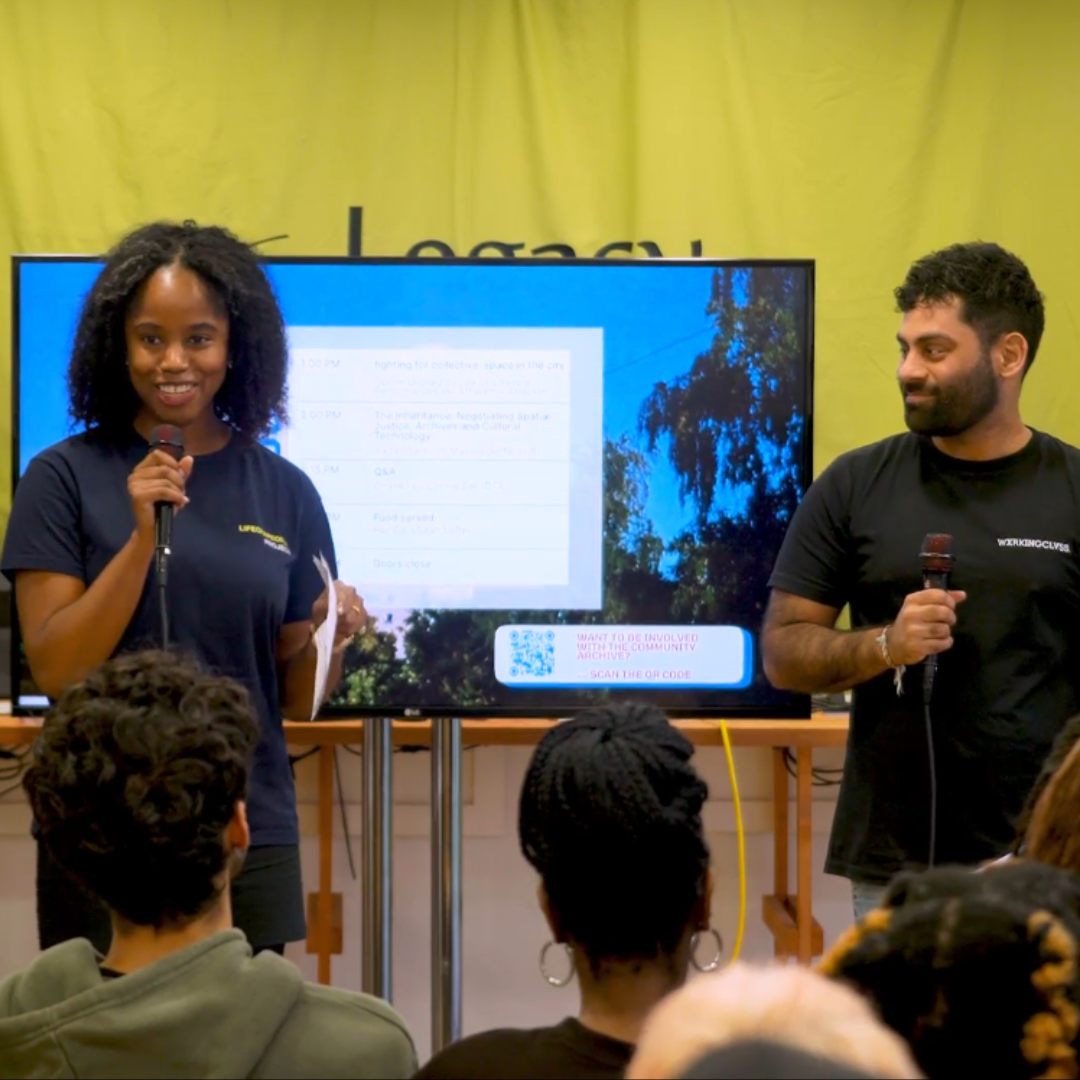
(Hood Futures Studio x DTA — Birmingham Seminar — Negotiating Spatial Justice, Archives & Cultural Technology with Dr. Marcus Goffe)
PROGRAMME OUTLINE 2026
-
To identify archival and memory work as one of a number of potential sites of African reparations.
To promote the grounding of approaches to archival and memory work within the historic and contemporary context of African-heritage record creating communities.
To recognise the archive as an intergenerational repository of both joy and trauma; identifying archival approaches acknowledging the spectra of feeling associated with memory work.
-
Applications are now closed.
Workshop Dates: Workshops commence Wednesday 15th April 2026 and every Wednesday thereafter.
Final workshop: Wednesday 17th June 2026
Duration: (see below)
Practical placement: (tbc more info at interview stage)
-
10 × 2 hour workshop sessions held over 8 consecutive weeks. Up to 10 days practical placement (optional) completed within one-year of the workshop sessions.
-
Accredited certificate awarded by the University of the West Indies Department of Library and Information Studies (DLIS). Verifiable digital badge issued by Decolonising the Archive (DTA). Both are issued only on successful completion of all 8 workshops and the practical placement.
The option to audit just the workshop sessions without engaging in the practical placement exists. Participants selecting this option will not be assessed and therefore would not be eligible to receive certification.
-
The primary mode of delivery for workshop sessions is online, however in the interests of facilitating more human connection, Decolonising the Archive will be making a hybrid physical space at London’s Africa Centre available for UK-based participants able to attend in person for at least two taught sessions.
Participants outside of the UK are encouraged to consider supporting in-person spaces for others in their locality where this is feasible.
Placements: Participants will be offered accommodation and placed in a region to conduct relevant practical work. More details to be shared once shortlisted.
-
Participants are expected to attend all taught sessions and participate fully in any themed session discussions and activities.
The course has been designed to minimise the need for advance reading of supporting material and the setting of assignments outside of taught time. However, where this is marked as essential, students will be expected to complete any set reading/watching/listening in preparation for course sessions as well as any work arising from taught sessions.
In addition to the taught sessions, students will be expected to complete a short reflective essay/oral/visual assignment reflecting their understanding of the material shared and its relevance to their own research/practice/praxis.
-
No formal qualifications are required for workshop admission, however, participant selection will be based on the following:
Experience
Community development/activism
Memory work
Skills
Able to express ideas coherently orally, in writing and other media;
Literacy
Critical thinking
Individual and group study skills
Time management
-
Theoretical presentation/provocation, critical analysis of practical case studies, group discussion, individual study and (optional) practical engagement.
Applications are now closed
[Please note, the above iteration of the Correcting Our Collecting (CC) programme “An Introduction to Reparative Archiving” is the only CC programme currently running. All content below relating to previous iterations of CC is included for information only]
PROGRAMME FAQ
-
The programme is aimed at people who want to make a change in the world with their practice and recognise the limitations of ‘traditional’ approaches to archives. It might be that this recognition has come about through a lived experience of tensions within institutional settings.
ITRA is designed by people with a reverence for the practical application of African and indigenous knowledge systems. If this resonates with you in a memory work context then you should consider enrolling.
The programme is a blend of didactic and non-didactic delivery. If you are able to appreciate a balance between lecture-style provocation and self/group-led discussion and discovery as well as practical activity then you may be a good fit for the programme.
-
No. the programme runs three times per year, so if you are not available for the forthcoming intake, please contact us on dtaworkspace[at]gmail[dot]com for dates of future intakes.
-
Yes. There is an option to audit the taught sessions alone without the practical component, however this will not result in an accredited certificate. Only those who opt to complete the practical element of the programme and associated work will receive a certificate from the University of the West Indies and a digital badge of completion issued by DTA.
-
Yes and no. Those deemed to have completed the programme in its entirety by the course leadership team, including the practical element, will be eligible to receive an accredited certificate in approaches to reparative archiving, issued by the University of the West Indies and a digital badge of completion issued by Decolonising the Archive. This is not an academic qualification in a traditional sense (it is not a Bachelors, Masters, Diploma or PhD for example) but it is a tangible recognition of your study and commitment issued by two recognised organisations, one of which is a globally recognised academic institution.
-
Due to geographical and capacity limitations, the hybrid space offered by DTA will be in a Central London location. Hybrid programme sessions will be run at least twice during the duration of the programme, the remaining sessions will be online only.
-
DTA have operated a policy of supporting access to learning whenever possible for some time now. Our model for achieving this involves dedicating a portion of programme fees to the funding of supported spaces for those unable to pay. If you are interested in applying for a supported place on the programme then please contact dtaworkspace@gmail.com for more information.
-
We ask that before applying, all applicants carefully consider the information provided both on this page and at the application and interview stages and take the opportunity to clarify all queries you may have about the programme, its delivery, its completion and its relevance to your individual practice.
Tackling the subjects at the core of the programme asks for a level of commitment, resilience and patience as each cohort explores and comes to its own understanding of what reparative memory work means for them.
There is a 14 day cooling-off period commencing at the point (post-interview) at which you accept your place on the programme in writing. If you change your mind about pursuing the programme during this time, let us know in writing and any fees that have been paid will be refunded. Once this termination request has been processed, you will not be able to access the remainder of the programme.
You may choose to terminate at any point after this 14-day period, however please be advised that beyond the initial cooling off period all programme fees are non-refundable.
CORRECTING OUR COLLECTING: AN INTRODUCTION TO AFRICAN-CENTRED ARCHIVING.
Correcting Our Collecting is a short, accessible, and practical course in African heritage archiving.
The program provides an introduction to the basic principles, skills and ideas required to approach the creation, curation, preservation, and activation of archives from an African heritage perspective.
The course is necessary as the overwhelming majority of teaching and material concerning archival practice centre European perspectives on information studies. This is alienating for would-be ‘Black’ archivists and ignores the vital contribution African-centred ways of knowing and being make to archival science.
The course is delivered over eight weekly two-hour sessions combining presentations, practical tasks and discussions plus a short practical placement.
Correcting Our Collecting is an entry-level course suitable for anyone of African heritage who is interested in learning more about what archives are, how they are created and managed, and what we should consider when working with archives within our own communities.
This unique, in-person program is led by Dr Etienne Joseph and Connie Bell. The course includes guest sessions from international experts including from the Africa and the Caribbean.

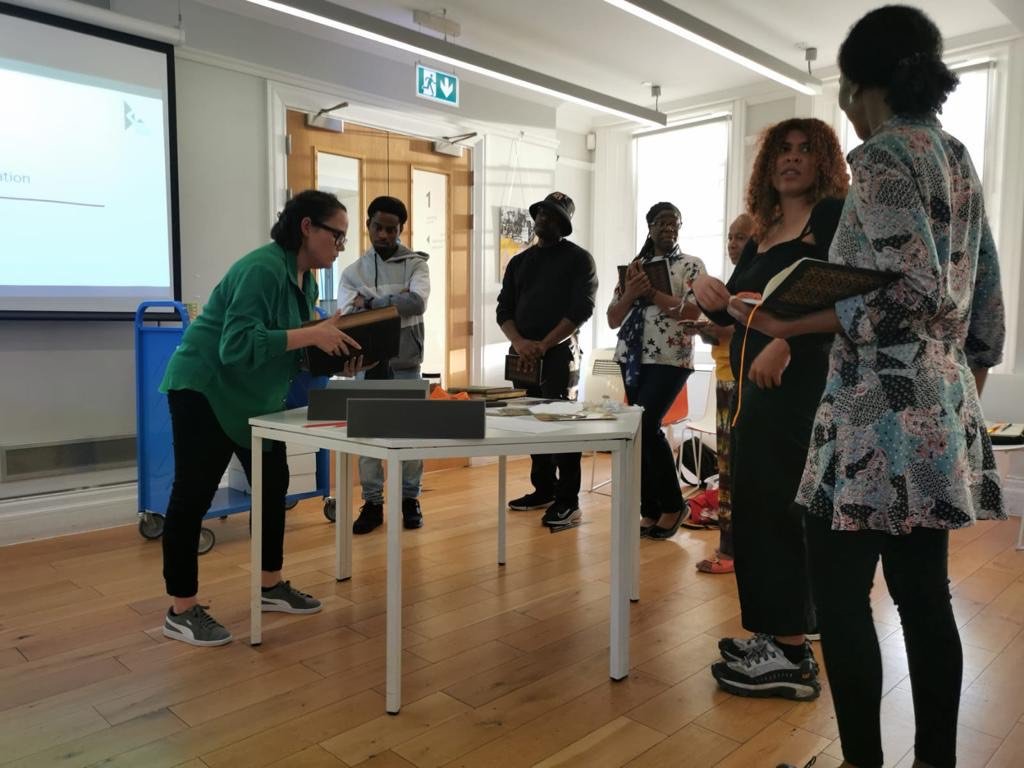
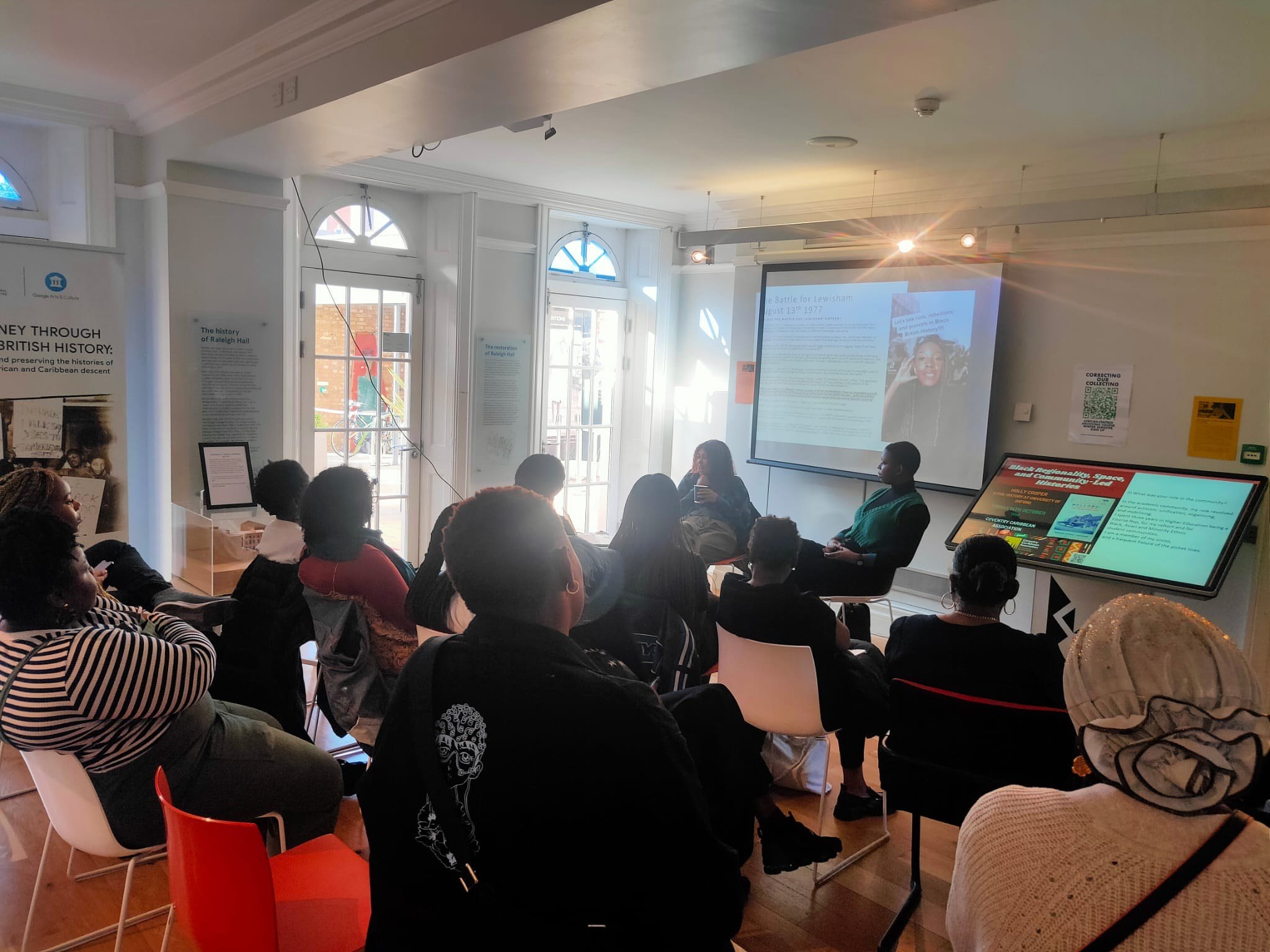
Correcting Our Collecting session at Black Cultural Archives, London.
The programme has thus far, in its two and half year existence, trained 60 persons from the African heritage community in the UK. Some of these have gone on to form part of a Community Impact Team that we can confidently refer to support heritage work within and beyond our community.

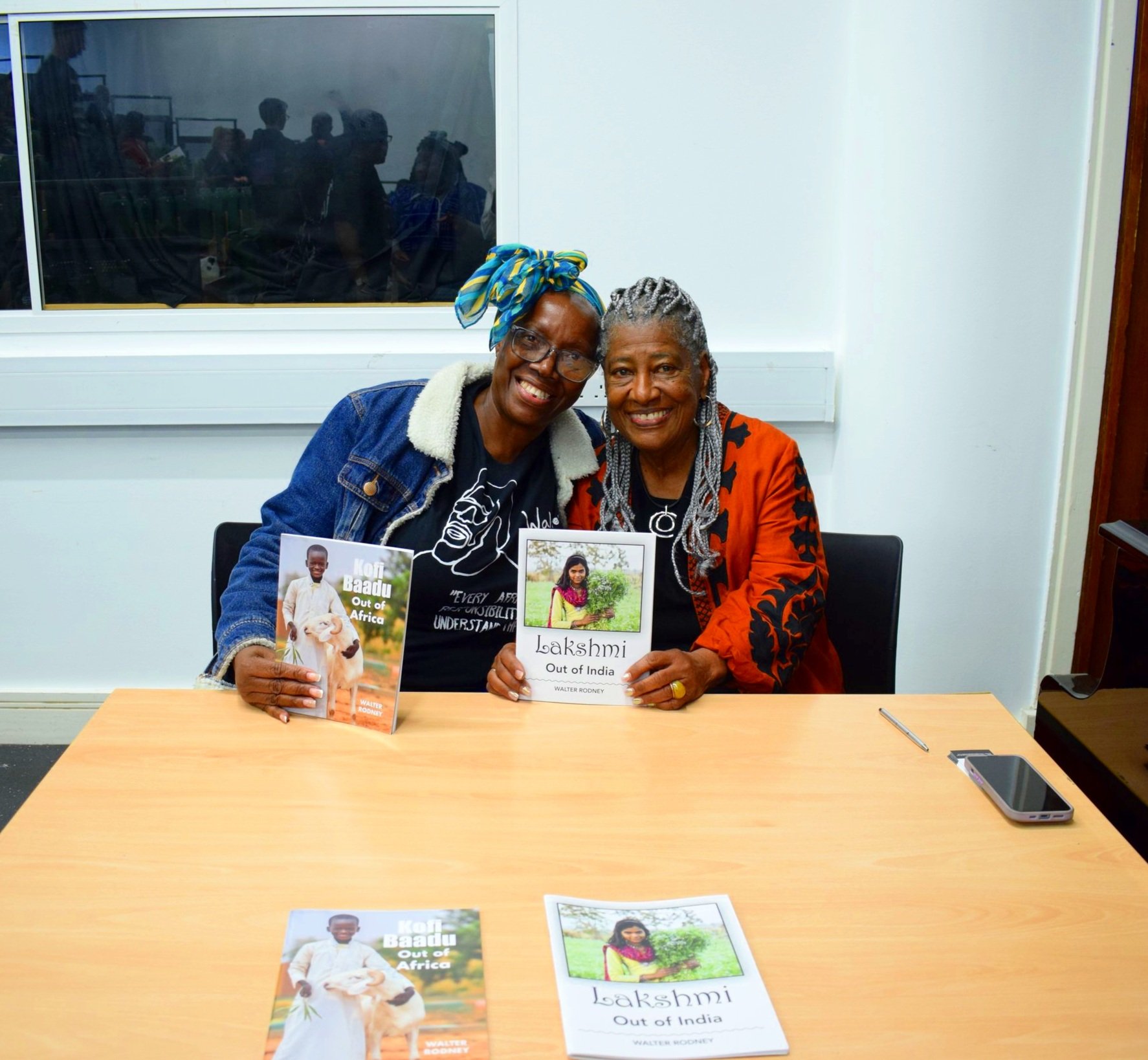
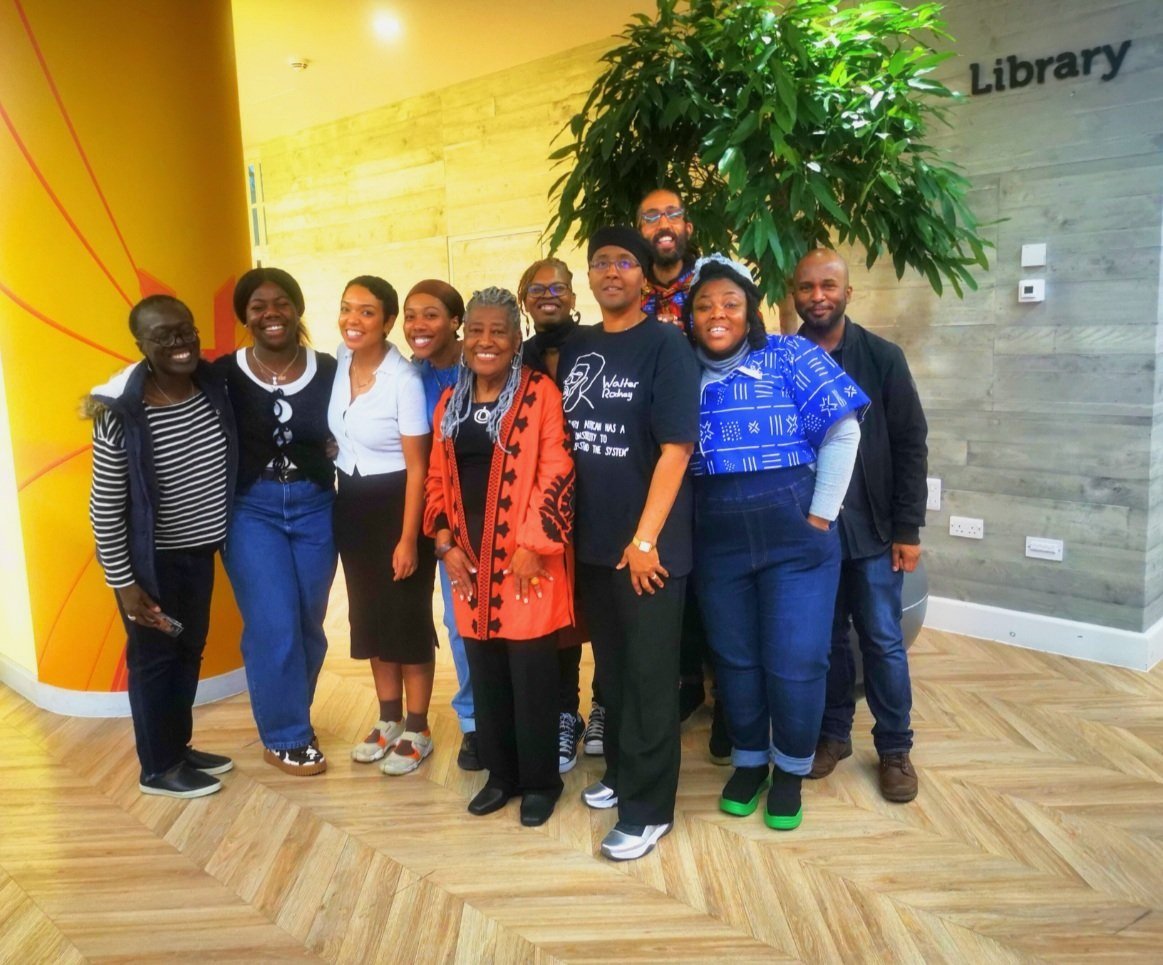
Community Impact Team with Professor Patricia Rodney and Connie Bell at the Walter Rodney Book Launch of Kofi Badu: Out of Africa & Lakshmi: Out of India (September 2023)
COMMUNITY ARCHIVISTS, COMMUNITY CONSULTATION
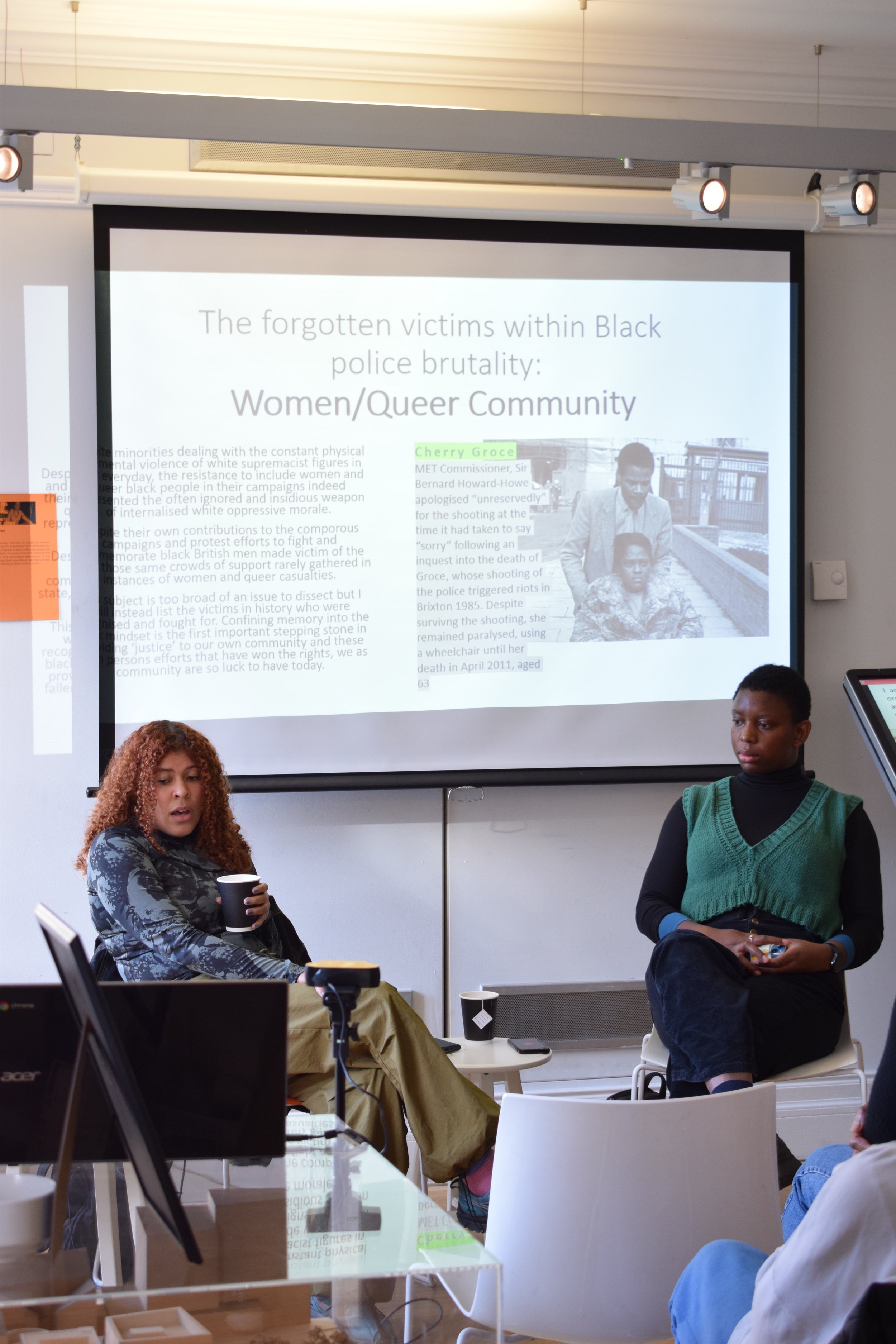
In 2024, a CC cohort of Community Archivists in training held a Community Consultation offering new insight into Olive Morris’ legacy and women’s liberation in Britain. You can watch this below.
COURSE HIGHLIGHTS

JULY 2024 - DTA HELD A ONE-DAY SEMINAR IN BIRMINGHAM ON INDEPENDENT AFRICAN HERITAGE PRACTICE. THE SEMINAR WAS FOR COMMUNITY PRACTITIONERS ENGAGED IN PRESERVING, SHARING AND ACTIVATING COMMUNITY HISTORIES & PRODUCING COMMUNITY KNOWLEDGE. IT FEATURED EXPERTS FROM ACROSS THE DIASPORA.


We are honoured to have collaborated with the Stuart Hall Archive Project Conjunctures for this seminar, and their team of Professor Patricia Noxolo (Professor in Human Geography) and Dr. Rita Gayle (founding member of the Global Black Geographies network).
Coming from across the African diaspora, our guest speakers included:
Mitchell Esajas (Black Archives Amsterdam, Founder),
Sylvia Arthur (Library of Africa and African Diaspora/Ghana Co-founder)
Dr. Etienne Joseph (Decolonising the Archive/U.K. Co-founder)
Professor Stanley Griffin (Co – Author of Decolonising the Caribbean Record)
2023
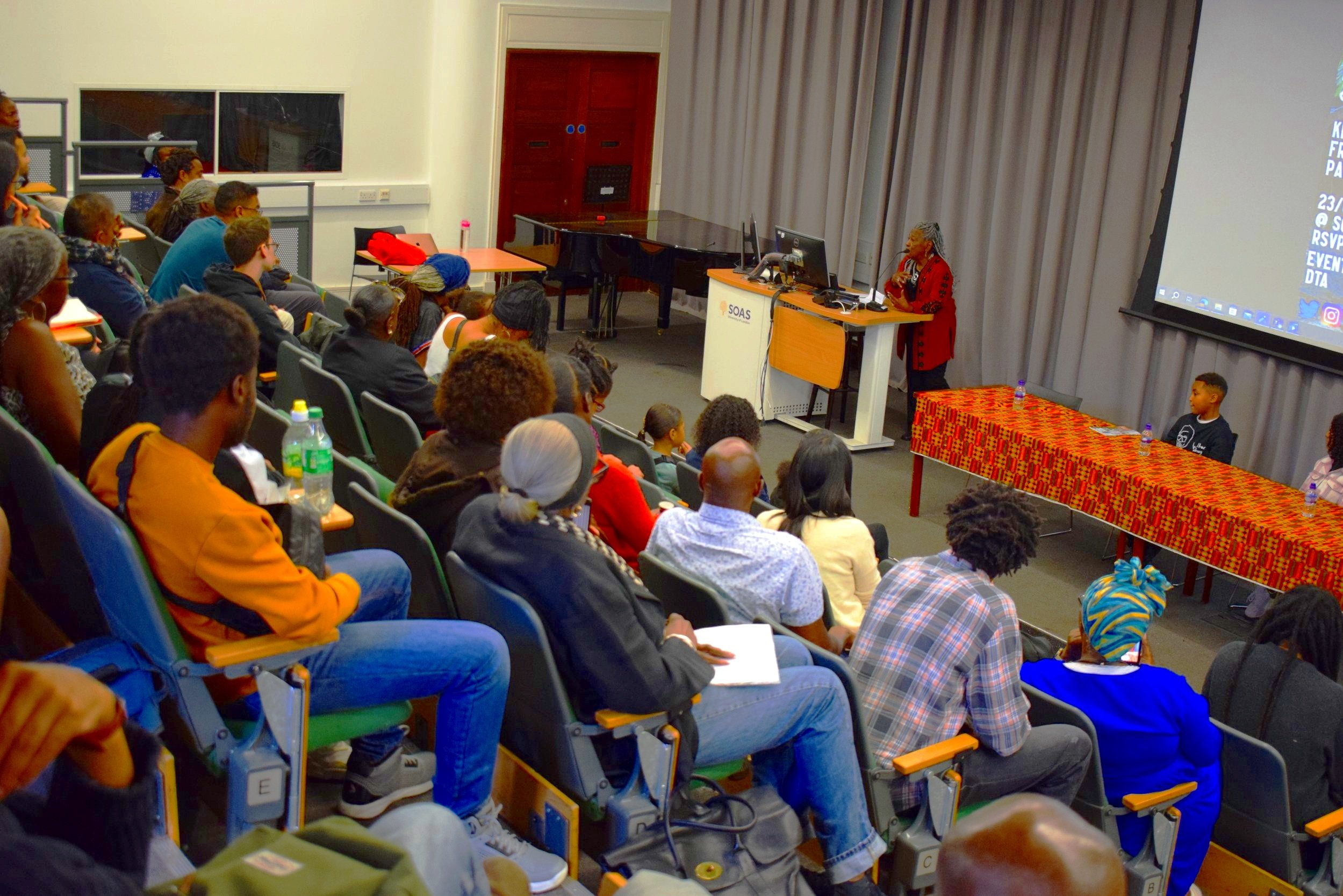
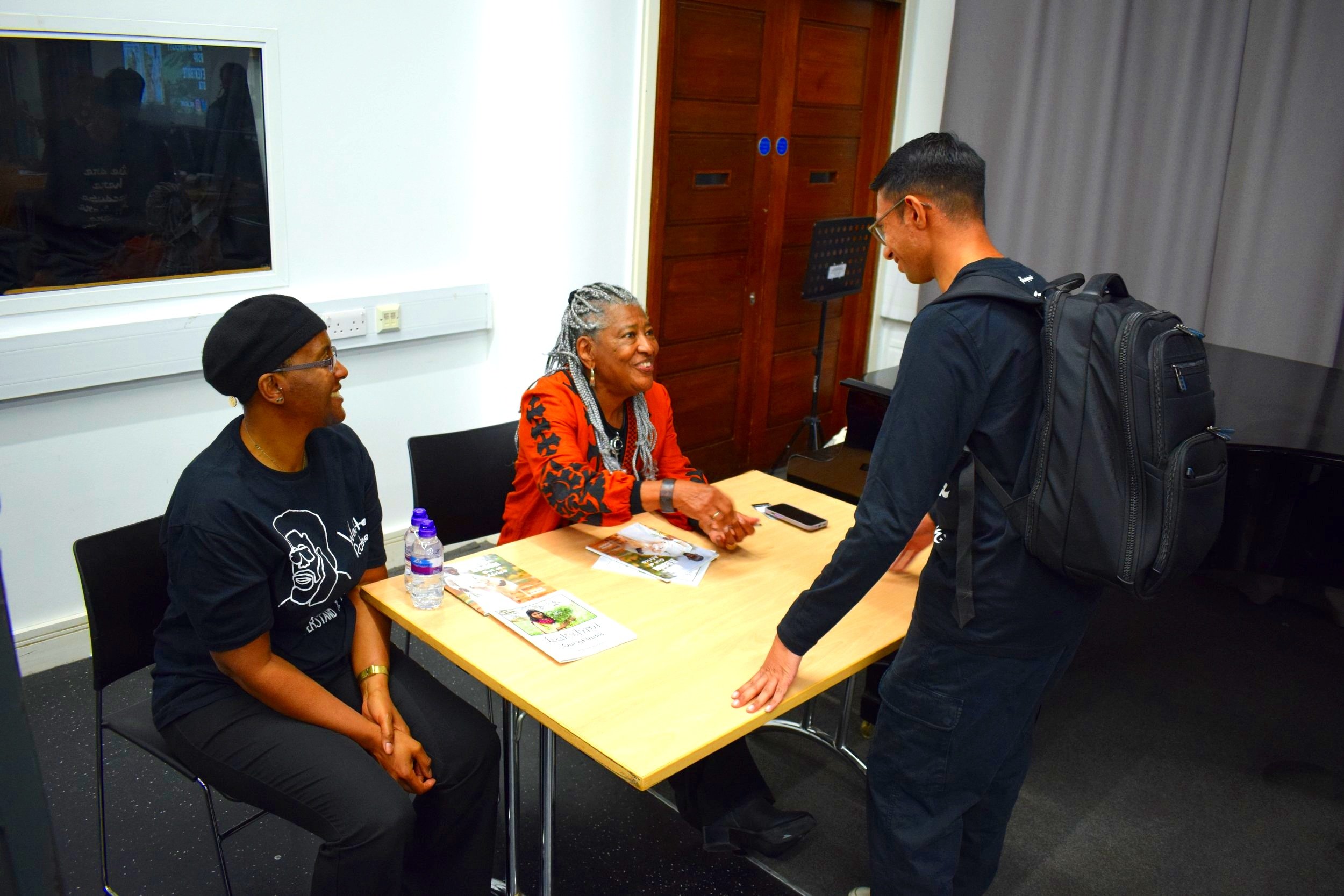
2023 - COURSE PARTICIPANTS SUPPORT THE LONDON LAUNCH OF DR WALTER RODNEY’S CHILDRENS BOOKS ‘KOFI BAADU OUT OF AFRICA’ & ‘LAKSHMI OUT OF INDIA’ WITH SPECIAL GUEST PROFESSOR PATRICIA RODNEY.
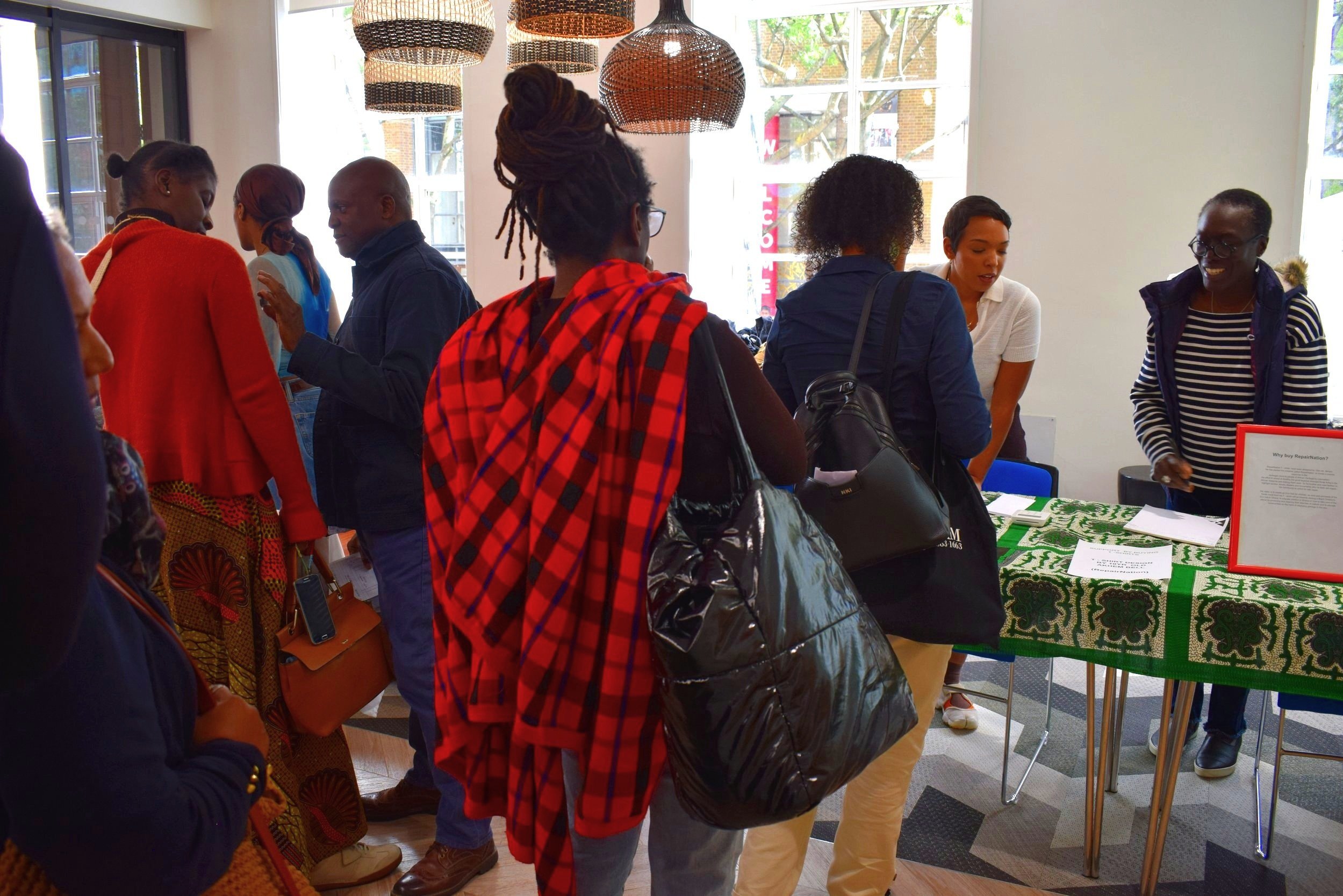
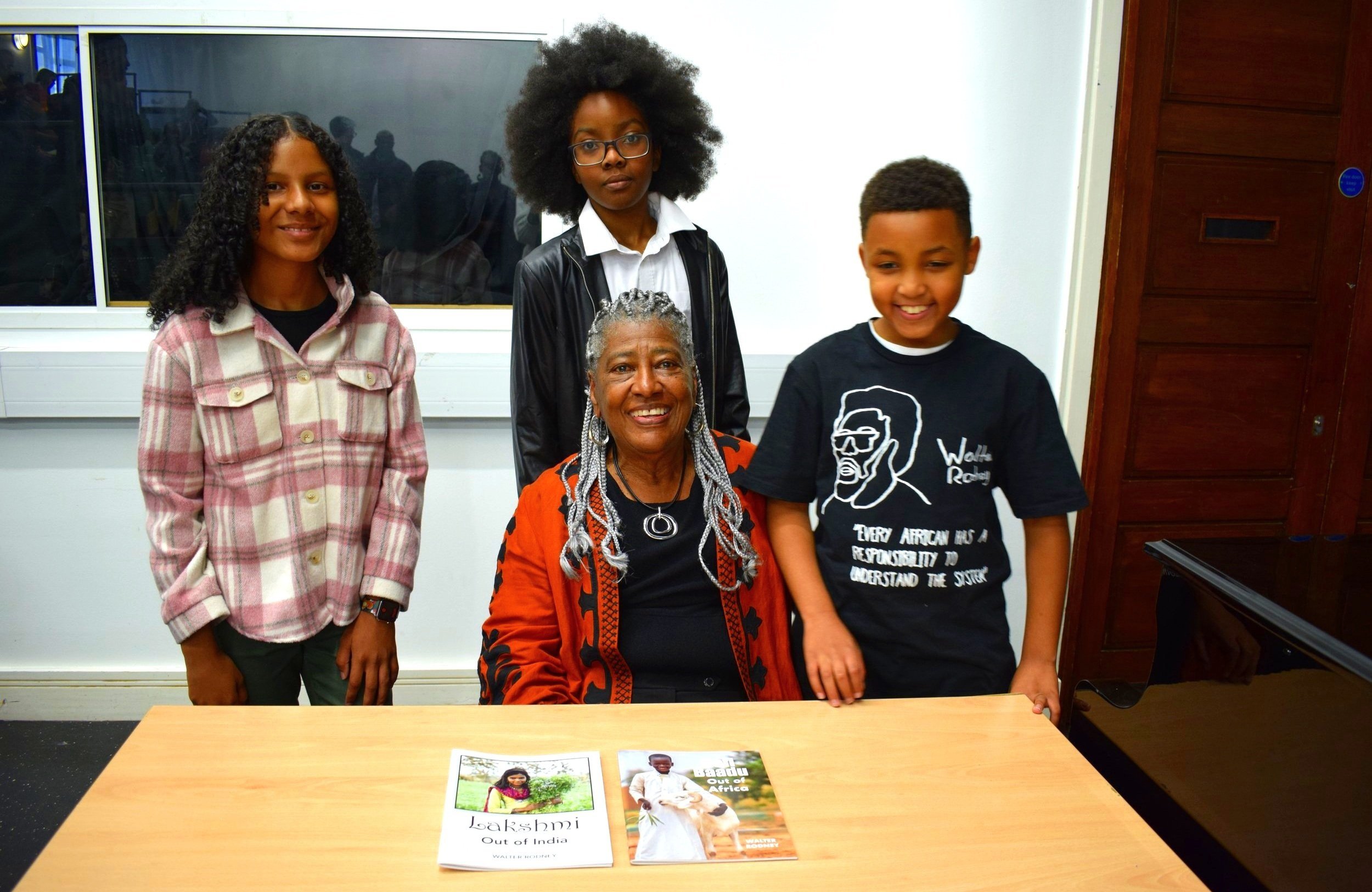
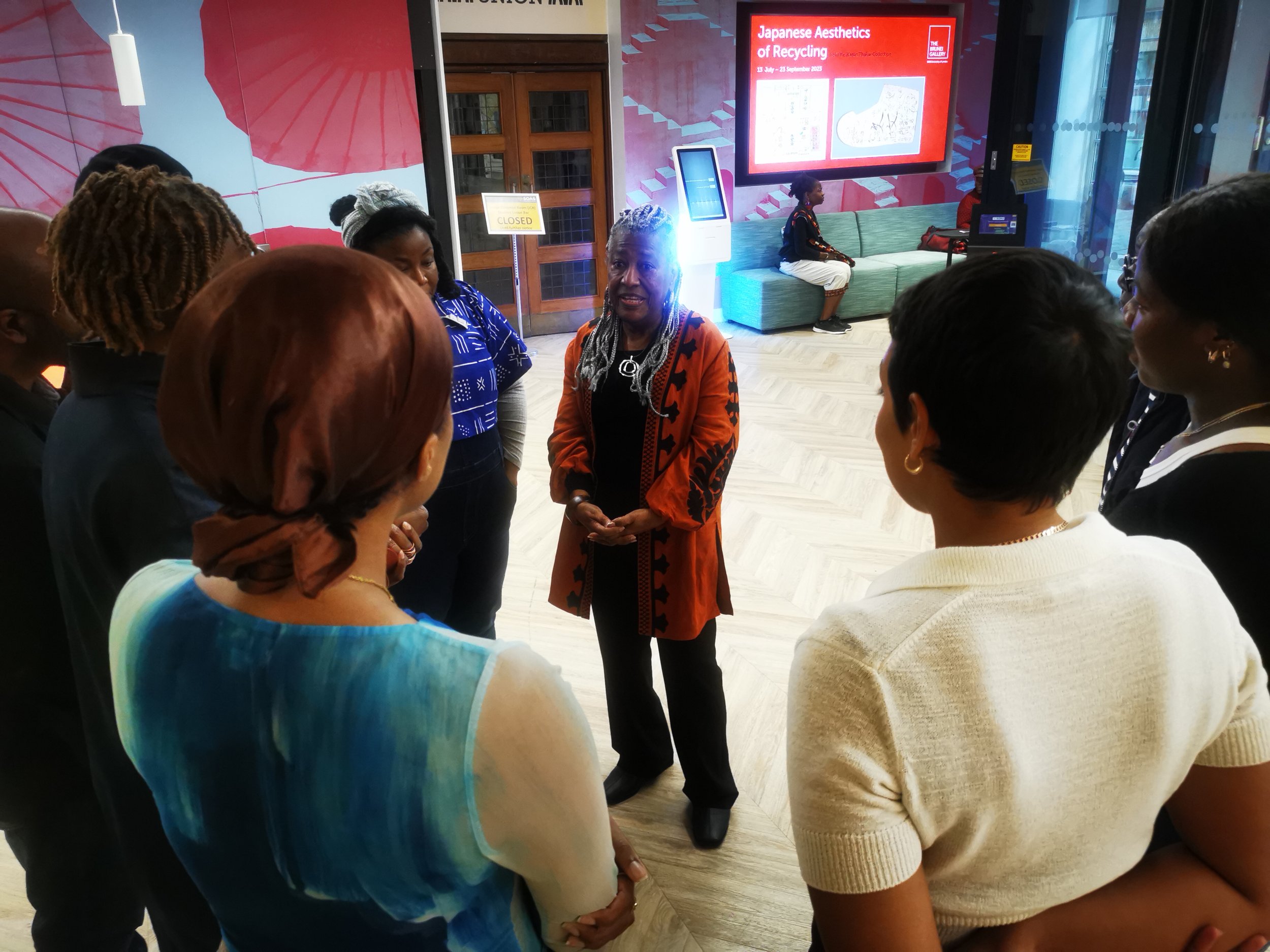
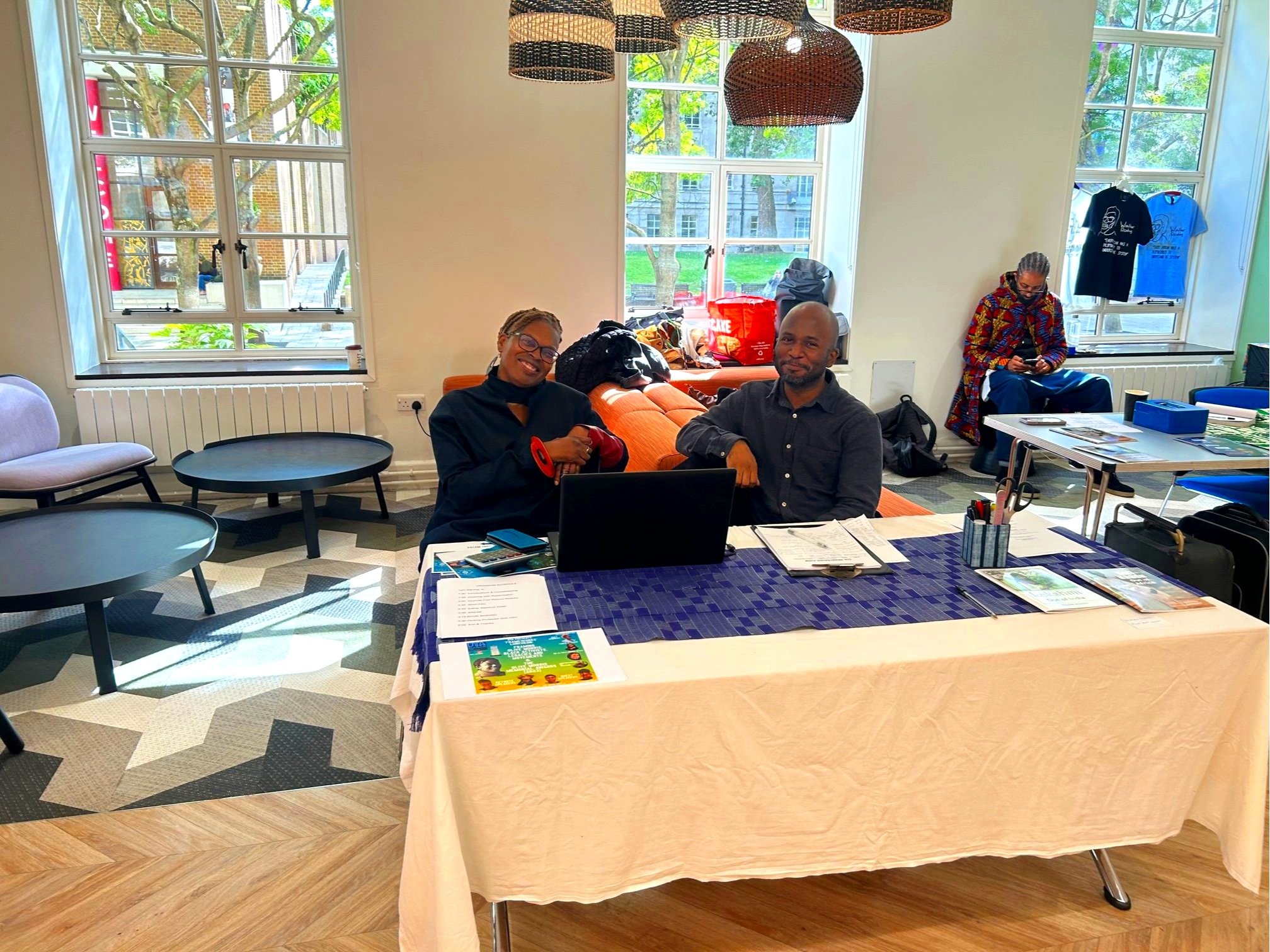
2023 - SUMMER ‘23 CLASS SUPPORT THE INAUGRAL OLIVE MORRIS MEMORIAL AWARDS LUNCHEON AT KARIBU CENTRE, BRIXTON.


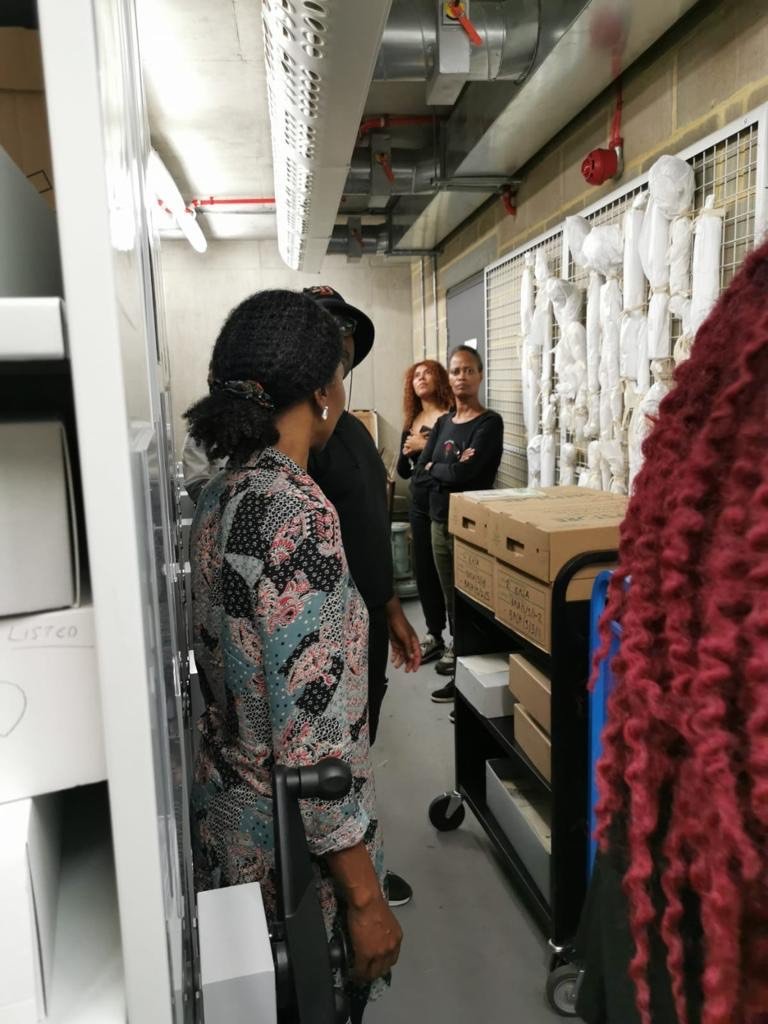
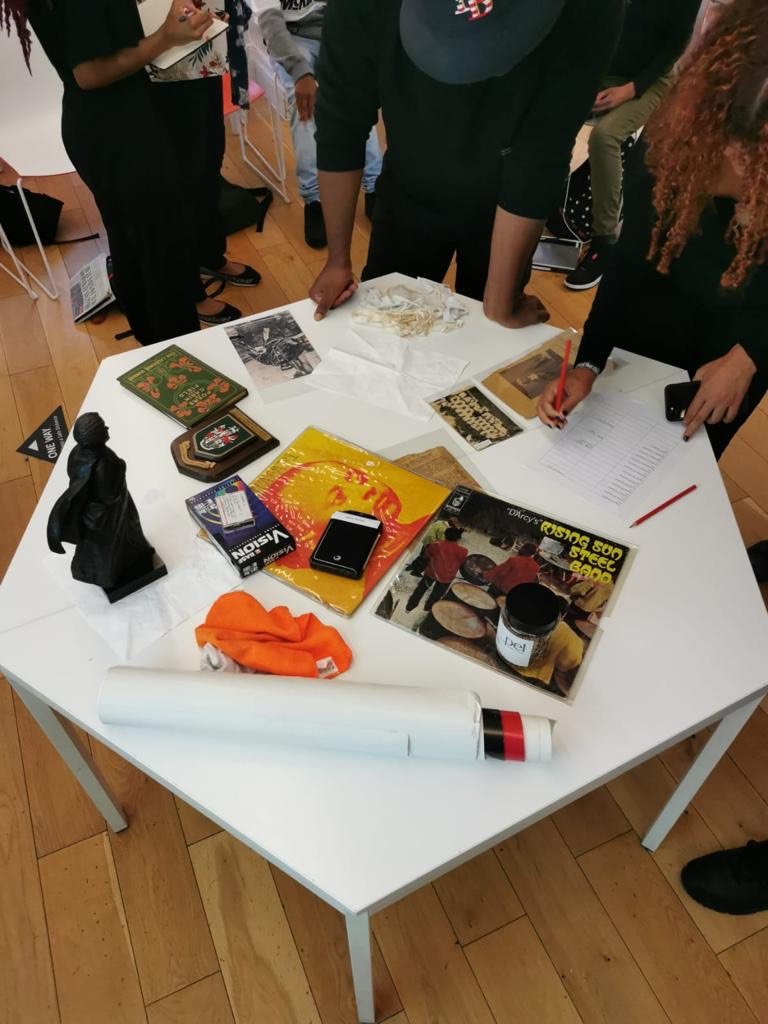
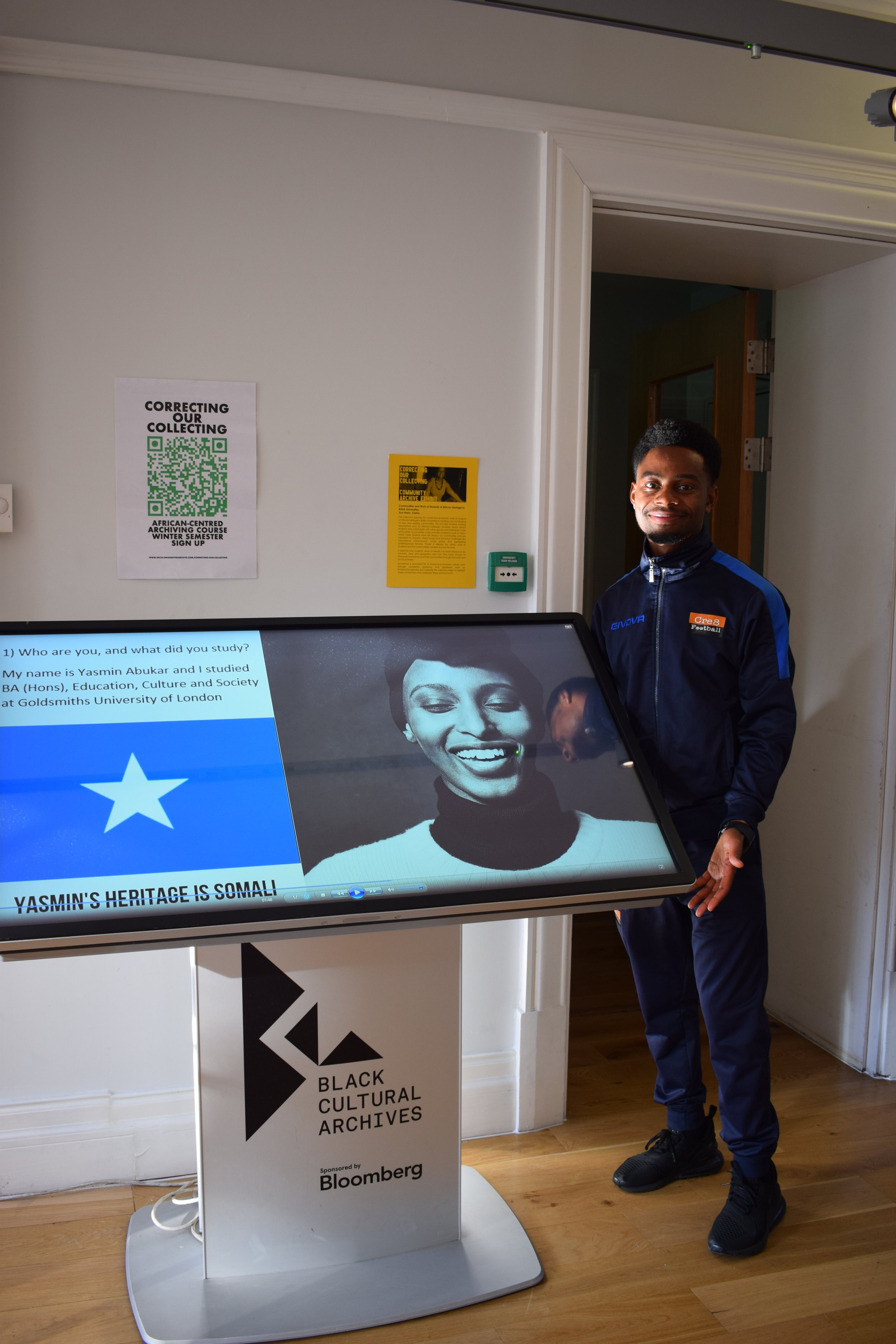
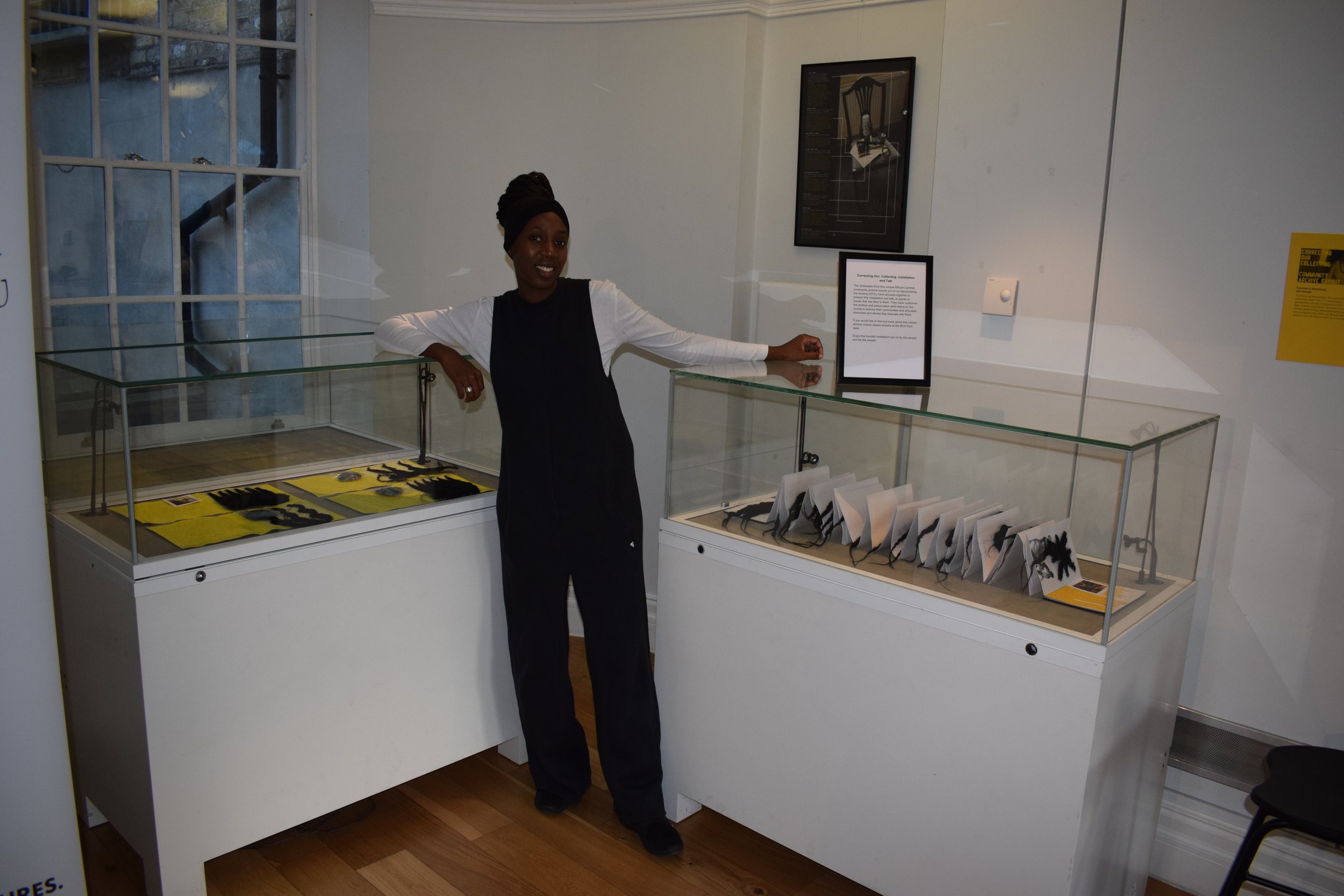
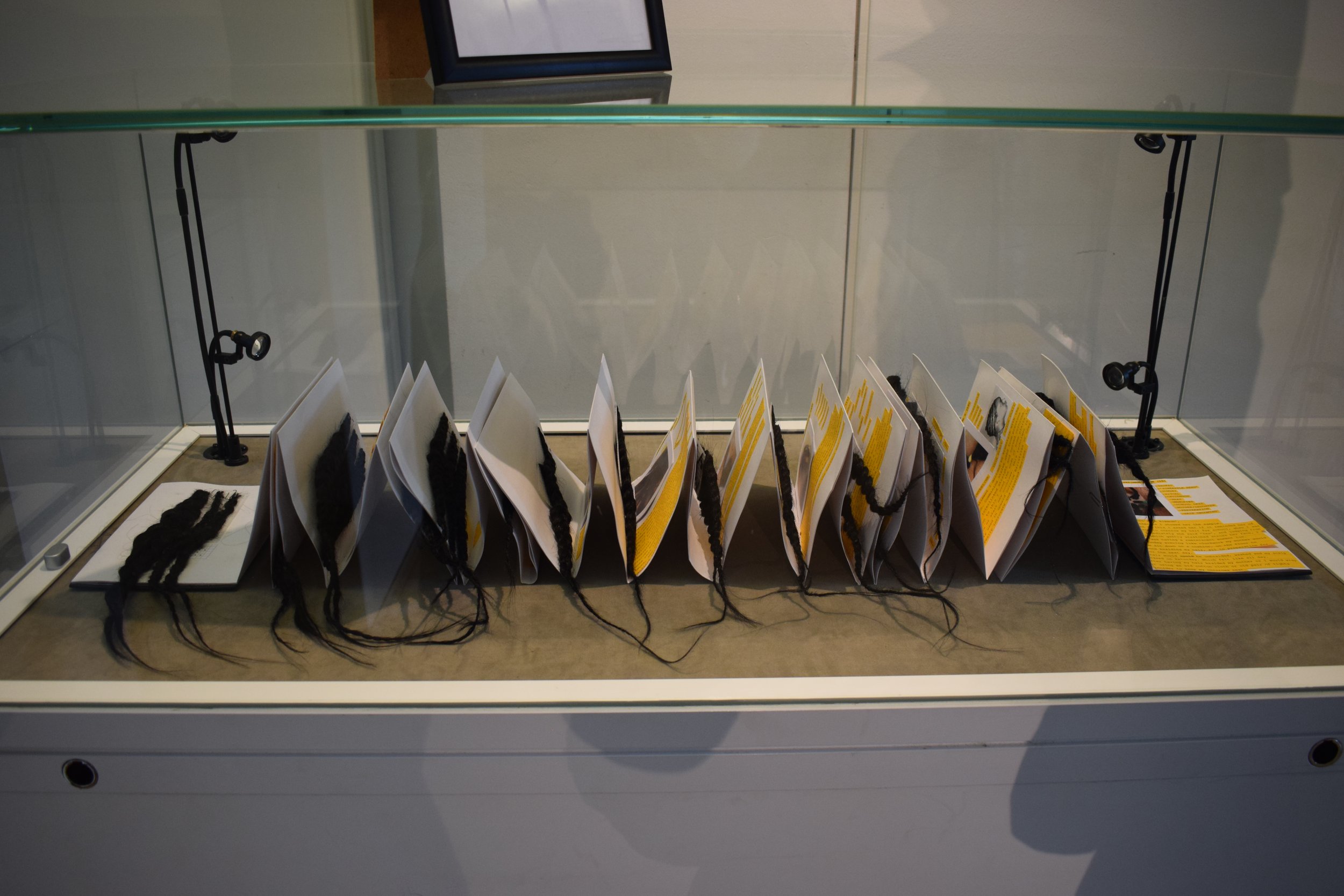
2022 - SUMMER ‘22 SESSION ON COLLECTIONS AND CATALOGUING/CLASS TRAINEES PLAN AND DELIVER A POP-UP EXHIBITION AT BLACK CULTURAL ARCHIVES.
General terms and conditions for DTA-led short courses/programmes can be found here.